








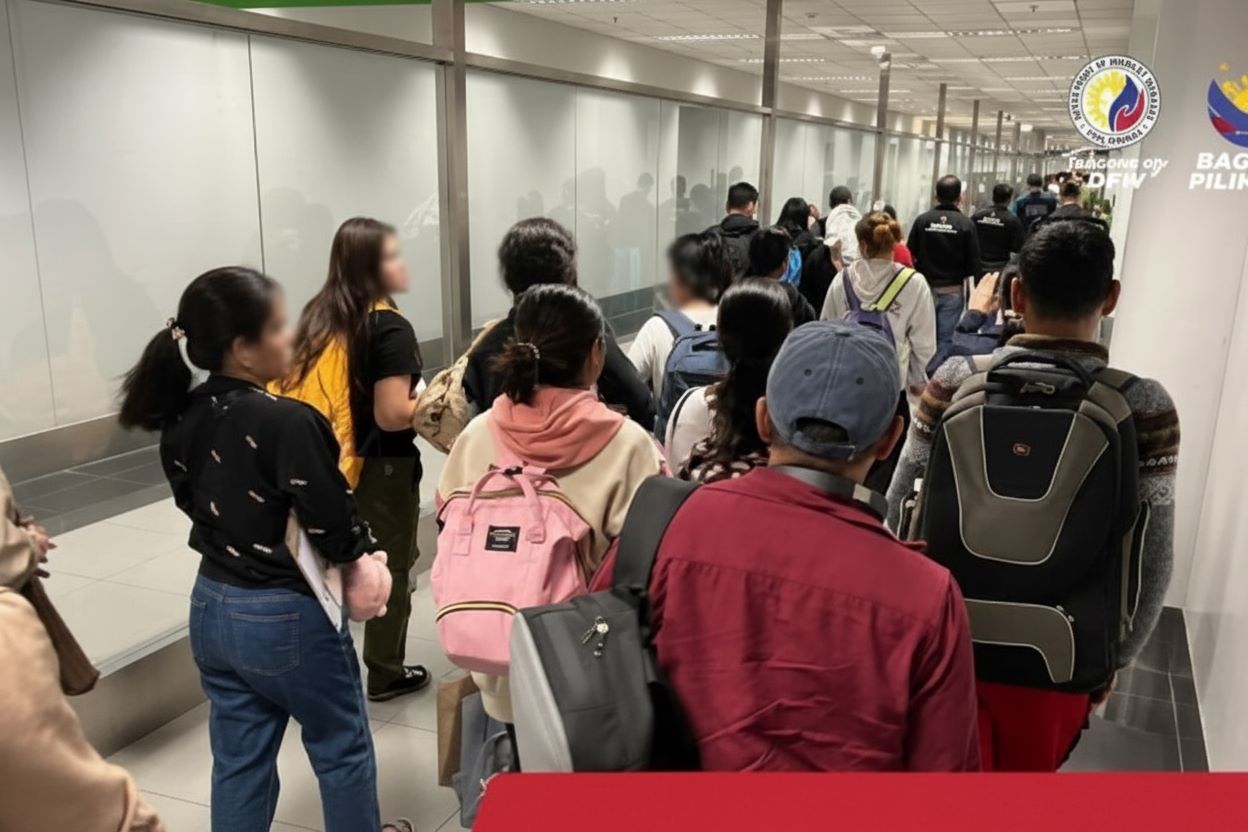
Philippine officials told senators on Friday that the government may require additional funding to repatriate overseas Filipino workers from the Middle East if the region’s escalating conflict worsens, as current resources are sufficient only for the present low volume of requests.
Department of Migrant Workers Secretary Hans Leo Cacdac testified during a Senate hearing that the agency can manage with its existing budget amid the current level of repatriation demands. However, he warned that a broader crisis would necessitate supplemental funding.
“We can live with the current budget with the current level of repatriation requests. However
in a worst-case scenario, yes, we would need supplemental funding,” Cacdac said, mixing English and Filipino in his remarks.
The hearing came as tensions in the Middle East continue to drive concern for the more than 2.4 million Filipinos working in the region, many in labor roles critical to Gulf economies.
Overseas Workers Welfare Administration Administrator Patricia Yvonne Caunan told lawmakers that the government’s Emergency Repatriation Fund currently stands at approximately 1.5 billion pesos (about $26 million) after some utilization earlier this year.
Simulations by the OWWA estimate that a mass evacuation could cost up to 3.67 billion pesos, with each repatriation averaging around 150,000 pesos to cover transportation, welfare support and logistics back to the Philippines.
Caunan illustrated the potential scale: “If just 1 percent request repatriation, that would be around 24,000 people,” she said, noting such a level could leave a funding gap of about 2.2 billion pesos beyond the existing allocation.
As of early March, fewer than 2,000 Filipinos had registered for repatriation assistance, with the government having already facilitated returns for over 2,000 affected individuals in initial flights.
Officials said preparations are underway to identify additional funding sources, including the national contingency fund, reallocations from other agencies, and ongoing consultations with the Department of Budget and Management.
The comments reflect growing contingency planning by the administration amid fears that wider hostilities could disrupt labor mobility and remittances, a vital economic lifeline for the Philippines.
Senators have pressed for clearer mechanisms to prioritize evacuations, focusing on those in highest-risk areas near conflict zones, while emphasizing humanitarian considerations and first-come, first-served processing where risks are comparable.