









The escalating U.S.-Israel military campaign against Iran and Tehran’s retaliatory strikes across the Gulf region have severely disrupted global energy markets and maritime transport, bringing traffic through the vital Strait of Hormuz to a near standstill.
Benchmark Brent crude oil surged to $92.69 per barrel on Friday, climbing 8.5% for the day and nearly 30% over the past week, according to market data. The sharp rise followed President Donald Trump’s declaration that only Iran’s “unconditional surrender” would end the conflict, now in its second week.
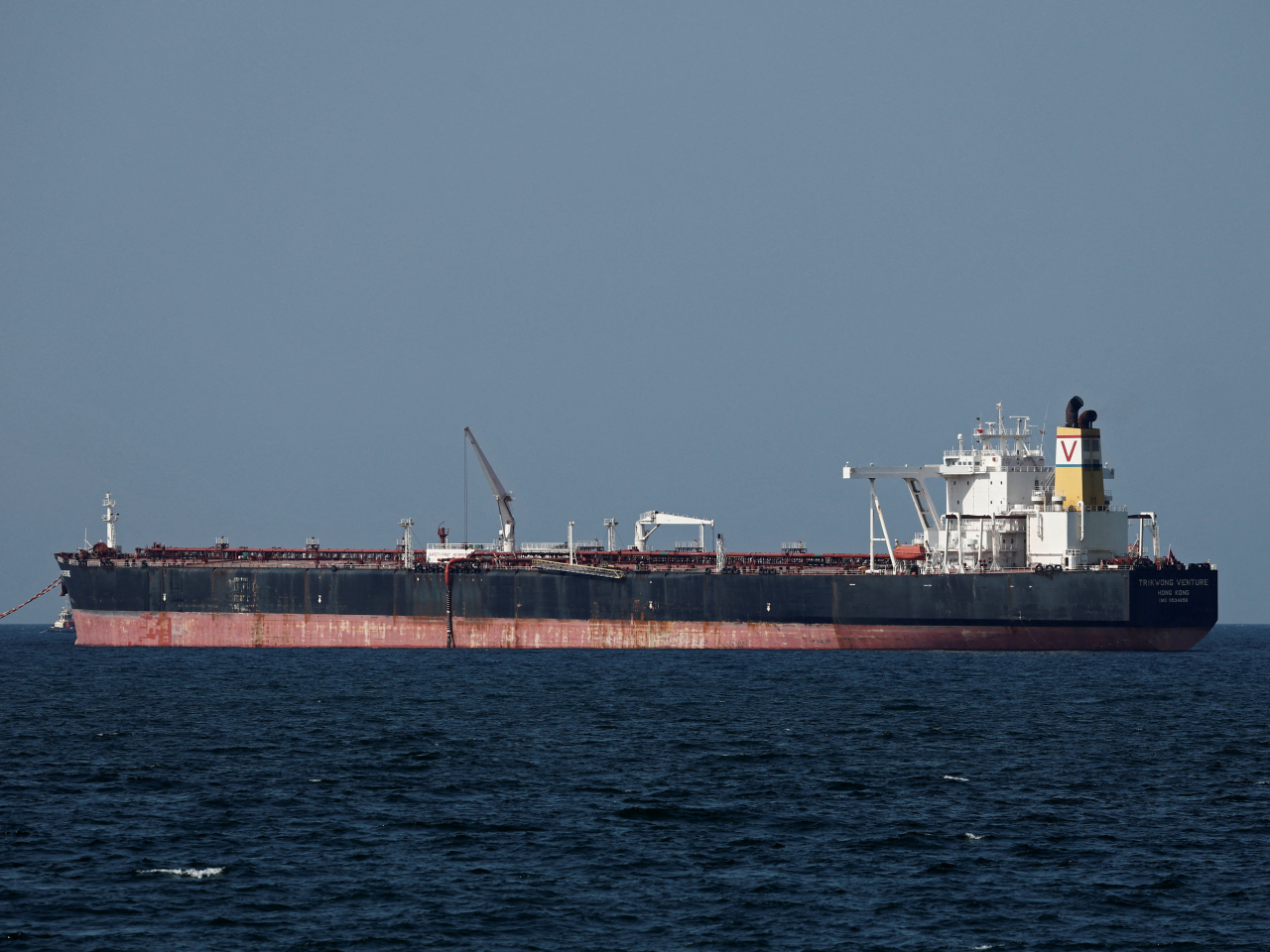
Maritime data indicate commercial shipping through the Strait of Hormuz — a chokepoint carrying roughly one-fifth of the world’s crude oil and liquefied natural gas — has virtually halted. Shipping trackers show hundreds of tankers and other vessels anchored outside the strait or diverted, with only a handful of commercial crossings recorded since early this week amid heightened risks from attacks and insurance concerns.
Initial market reactions to the conflict had been somewhat restrained, with traders anticipating a short-duration operation. Trump’s demand for capitulation, however, has shifted expectations toward a prolonged war, driving further gains in oil prices.
“The longer that key energy infrastructure and shipping routes in the region are affected, the greater the chance of a significant inflationary impact,” said Russ Mould, investment director at AJ Bell.
Kathleen Brooks, research director at XTB, noted that Trump’s comments “dashed hopes that the conflict will be averted quickly, and the oil price has continued its push” higher.
Attacks have also hit oil production facilities. Reports indicate strikes on oilfields in southern Iraq and the northern Kurdistan region, forcing the shutdown of at least one U.S.-operated field. Kuwait has reportedly begun curtailing output due to constrained storage capacity, according to the Wall Street Journal.
Earlier this week, Trump pledged U.S. protection for shipping through the Strait of Hormuz, a statement that temporarily eased some risk premiums in oil markets. Analysts at JPMorgan Chase cautioned, however, that such assurances would have “limited impact unless Iran’s extensive disruption capabilities are first neutralized.”
The conflict began with joint U.S. and Israeli airstrikes on Iranian targets late last month, aimed at curbing Tehran’s nuclear and missile programs. Iran has responded with missile and drone attacks on regional sites, including those tied to U.S. and allied interests, further rattling energy supply chains.
Global markets are closely monitoring developments for signs of broader escalation or potential diplomatic off-ramps, though Trump’s insistence on unconditional surrender has dimmed prospects for near-term negotiations.