








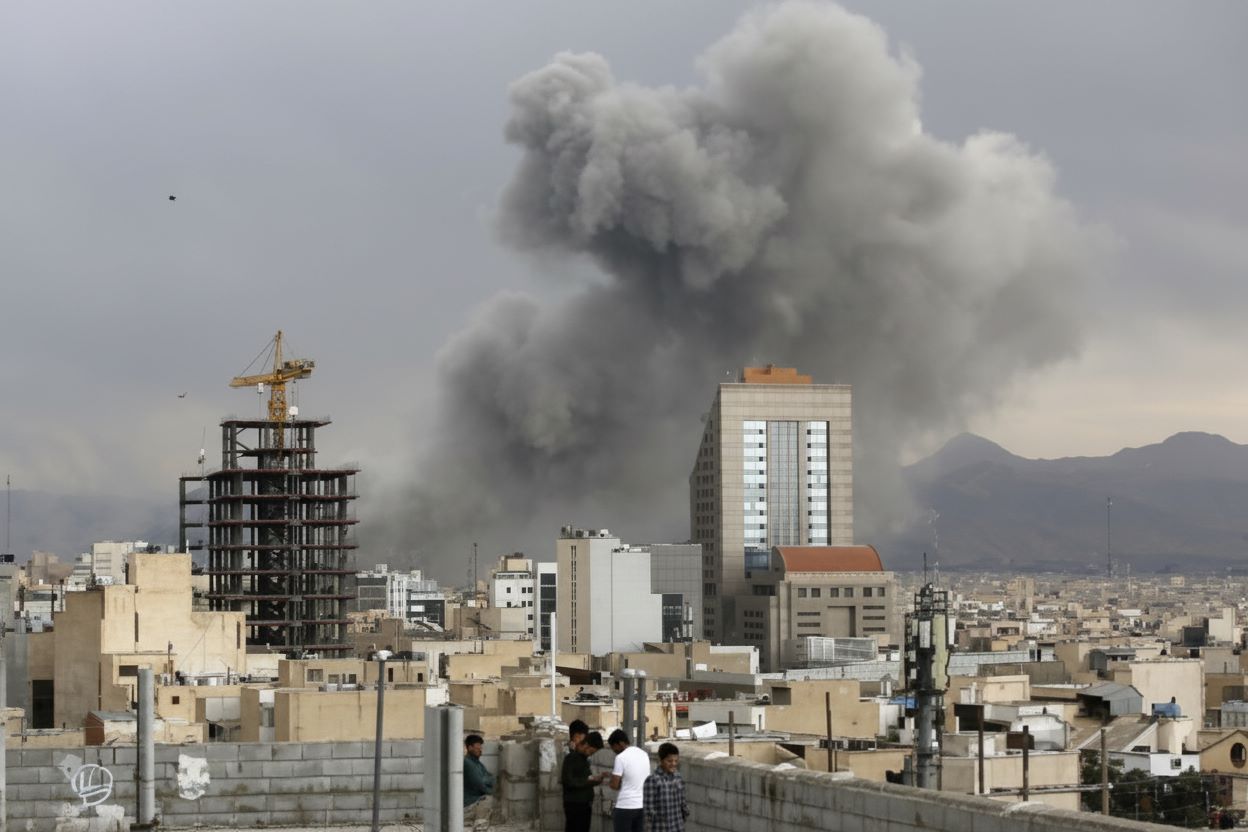
The ongoing war in the Middle East, sparked by joint U.S.-Israeli strikes on Iran that began late February, could persist for four to eight weeks, a Philippine Department of Foreign Affairs official told senators Friday.
In a Senate Committee on Migrant Workers hearing held in Manila, DFA Assistant Secretary Germinia Usudan, who oversees Middle East and African affairs, described the conflict as potentially protracted and unconventional compared to prior clashes in the region.
“We hope it will end soon but based on the situation, I think it will be a protracted war and this is an unconventional war,” Usudan said, citing initial assessments from Philippine diplomatic posts in the area.
The assessment comes amid escalating hostilities now in their second week, involving sustained airstrikes, missile exchanges, and regional spillover including renewed fighting in Lebanon involving Hezbollah. The conflict has already led to airspace closures, flight disruptions, and heightened alert levels for Filipinos across the region.
Usudan highlighted particular concerns for the approximately 2.4 million Filipinos in the Middle East, many of them overseas Filipino workers (OFWs) who contribute significantly to the Philippine economy through remittances.
“One of the possible effects is on OFWs because we have about 2.4 million Filipinos in the region,” she said.
She added that potential disruptions in key oil transit routes, such as the Strait of Hormuz—through which roughly 20% of global oil supply passes—could drive up fuel prices and increase transportation costs, affecting commodity prices and the broader Philippine economy.
Department of National Defense Assistant Secretary for Strategy and Policy Jeffrey Hechanova cautioned that the situation remains highly fluid, making firm timelines difficult.
“Due to the fluidity of the situation … it is difficult to give a legitimate timeline because each country’s actions are met with counteractions,” Hechanova said.
Government agencies are continuing to monitor developments closely and preparing response protocols, including potential repatriation assistance if needed. No mandatory repatriation has been ordered, though some OFWs have expressed interest in returning home, and crisis alert levels remain in place for several countries in the region, with varying degrees of urgency.
Lawmakers at the hearing emphasized the potential for prolonged conflict to impact Filipino workers and the national economy, urging continued vigilance and preparedness from relevant agencies. No Filipinos have been reported harmed in the conflict to date, according to DFA updates.