








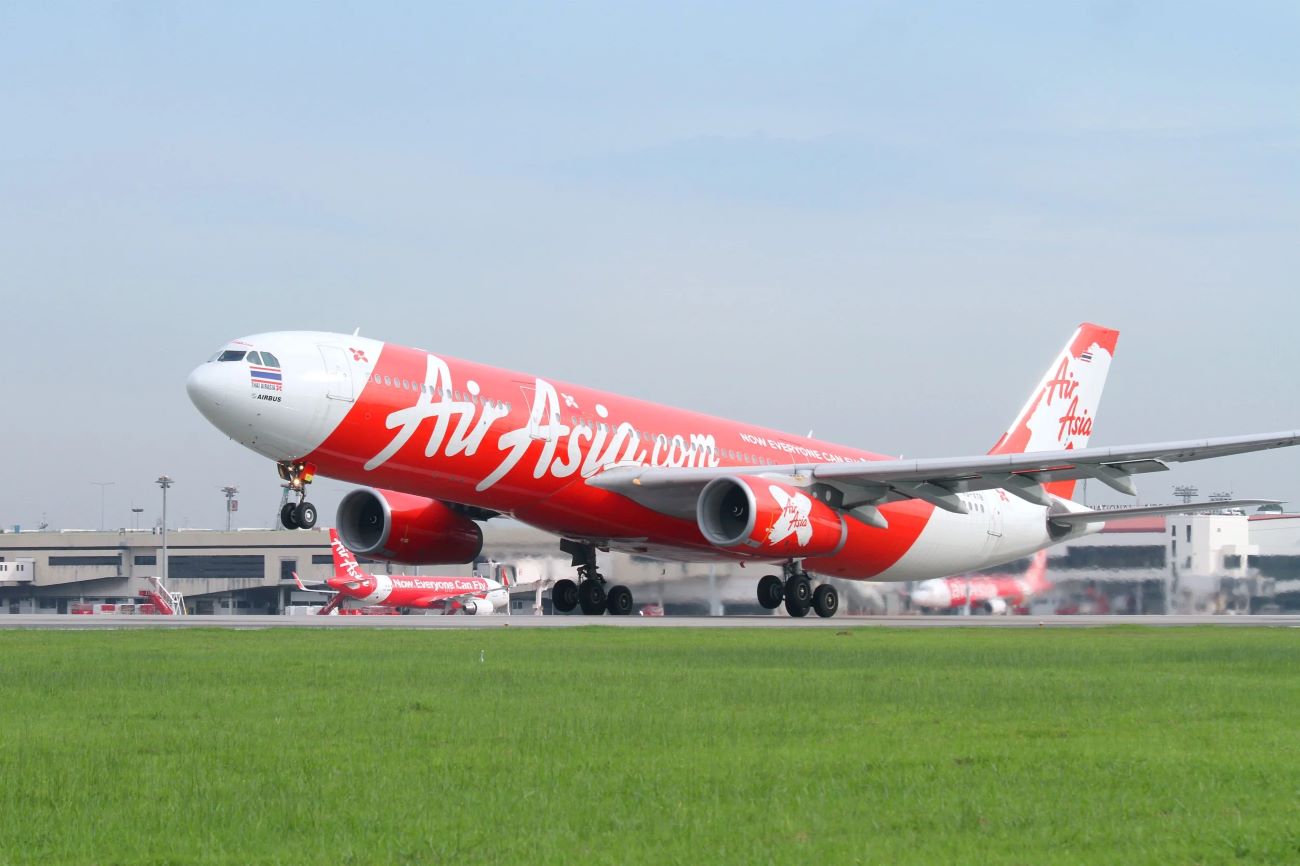
AirAsia X, Southeast Asia’s largest long-haul budget carrier, announced Monday it is raising fares and trimming its flight schedule to combat soaring fuel costs triggered by the ongoing conflict in Iran.
The Malaysia-based airline has cut approximately 10 percent of its total flight capacity to date, targeting routes where ticket sales can no longer offset the spike in jet fuel prices. The move comes as the aviation industry grapples with the fallout of the Middle East crisis, which began in late February following U.S.-Israeli strikes on Iran.
Tehran’s subsequent move to effectively close the Strait of Hormuz—a vital corridor for global oil shipments—has sent energy markets into a tailspin, forcing international carriers to implement aggressive fuel surcharges.
“Higher prices were unavoidable,” said AirAsia X founder Tony Fernandes. He noted that capacity would be reduced specifically on routes “where we don’t believe we can cover the cost of the fuel.”
Despite the regional instability, the airline is proceeding with its strategic expansion into the Middle East. Officials confirmed that service to Bahrain—slated to be the carrier’s first hub in the region—remains on track for a June launch as the company pushes to grow its network beyond its traditional Southeast Asian stronghold.
Chief Commercial Officer Amanda Woo said the airline’s broad footprint, covering 150 destinations across 25 countries, allows it to shift operational focus toward more lucrative corridors.
“We are able to spread operations along routes where we can recover the high fuel surcharges,” Woo said. She added that the company is attempting to soften the blow for passengers by reducing ancillary costs, such as baggage fees, to help offset the rising base fares.
The geopolitical crisis represents a fresh hurdle for the carrier, which only recently emerged from the financial devastation of the COVID-19 pandemic. AirAsia X reported a 1.96 billion ringgit ($415 million) profit in 2025, a year that Chairman Jamaludin Ibrahim described as turning a “very difficult chapter” into a success.
“Just when we are about to take off with a big bang… we are now facing yet another crisis,” Ibrahim said. “These are real challenges that directly impact our costs, margins, and network decisions.”
While the airline described the outlook for the remainder of 2026 as “manageable,” officials cautioned that long-term profitability will depend heavily on the duration of the conflict and its continued impact on global oil supplies. For now, the carrier maintains that traveler demand remains high despite the rising cost of tickets.