







DUBAI — As of April 6, 2026, the Gulf Cooperation Council (GCC) states are facing the most significant threat to their physical and economic security in decades. Following a series of escalations that began in late February, the Iranian regime has launched sustained missile and drone campaigns targeting critical resource infrastructure and civilian landmarks across the Arabian Peninsula.
Reports from regional defense ministries and international monitoring groups indicate that while air defense systems have maintained high interception rates, the sheer volume of projectiles has led to substantial material damage and civilian casualties.
Overview of the Strategic Assault
The conflict, which intensified following U.S. and Israeli strikes on Iranian soil on February 28, 2026, has seen Iran deploy an estimated 4,000+ projectiles—including ballistic missiles, Shahed-type suicide drones, and cruise missiles—against its neighbors. Tehran has justified these actions by claiming any infrastructure supporting its adversaries is a legitimate target, a claim vehemently rejected by Gulf capitals.
Country-Specific Impact Reports
United Arab Emirates (UAE)
The UAE has been a primary target of the Iranian “asymmetric” response. As of early April, the Ministry of Defence reported the interception of nearly 500 ballistic missiles and over 2,100 drones.
- Civilian Infrastructure: Debris from interceptions has fallen on high-density areas. In Abu Dhabi, a strike near Zayed International Airport killed one civilian and injured seven. In Dubai, iconic structures including the Burj Al Arab and the 23 Marina Tower sustained damage from falling projectiles.
- Logistics & Tech: A drone strike on an Amazon Web Services (AWS) data center caused localized power failures and data disruptions. The Jebel Ali Port and Dubai International Airport (Terminal 3) also reported fires and minor structural damage, briefly halting operations.
Kuwait
The attacks on Kuwait have focused heavily on the energy and utility sectors, causing “severe” damage.
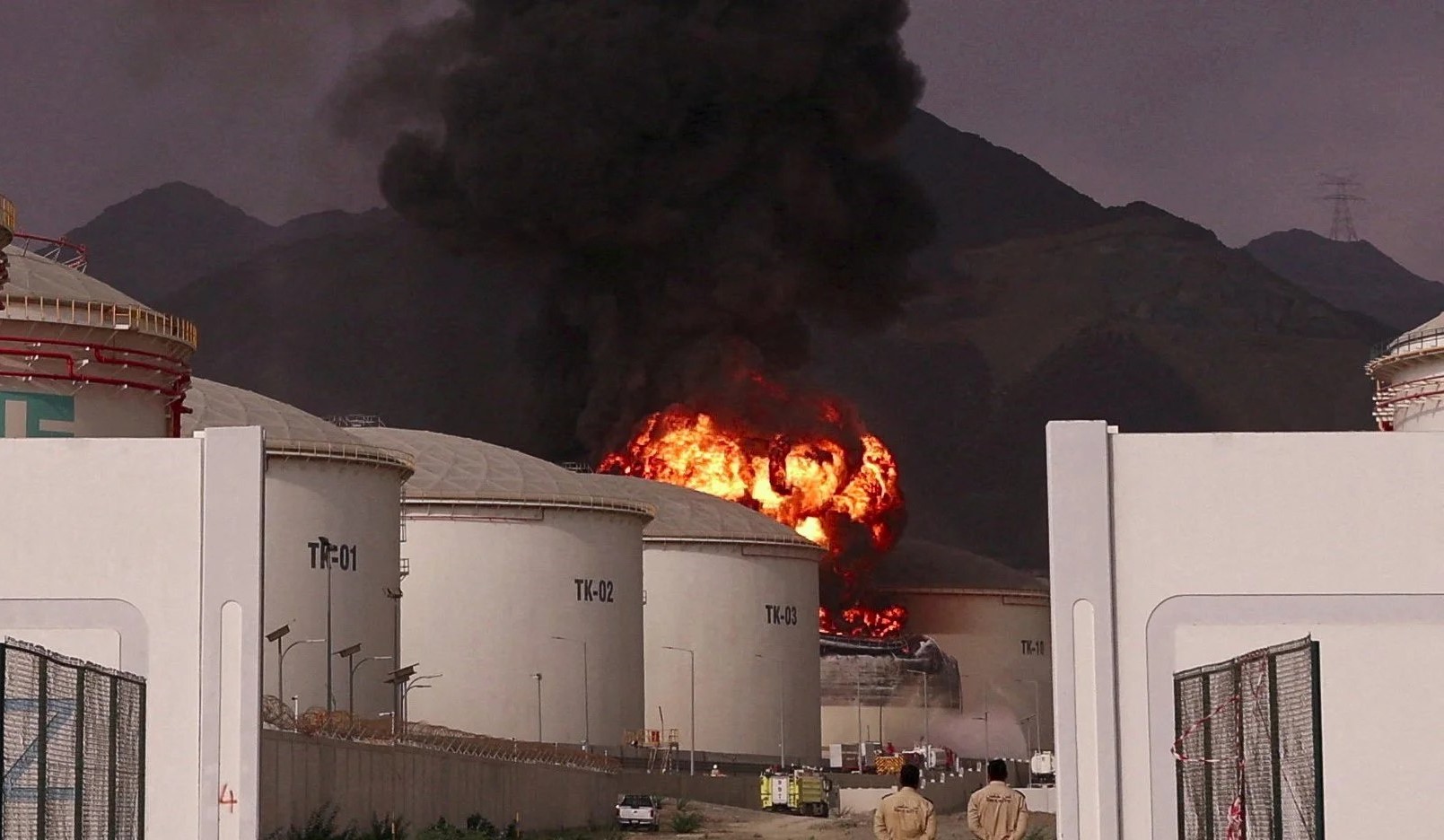
- Energy Sector: On April 5, the Kuwait Petroleum Corporation (KPC) headquarters and the Shuwaikh oil complex were evacuated following a drone strike. Earlier waves hit the Mina Al Ahmadi and Mina Abdullah refineries, disrupting operational units.
- Essential Services: The Ministry of Electricity and Water confirmed that two power and water desalination plants were damaged, leading to the shutdown of generating units and raising concerns over domestic water security.
Saudi Arabia & Bahrain
- Saudi Arabia: While many attacks toward Riyadh and the Eastern Province were intercepted, successful strikes were reported at the Ras Tanura and Yanbu refineries. The hit on Yanbu is particularly significant as it sits on the Red Sea, potentially cutting off a vital alternative export route to the Strait of Hormuz.
- Bahrain: Industrial facilities in Al Hidd and a Bapco Energies storage facility were targeted. A large tank fire at a Bapco facility was extinguished on April 5 after a drone strike.
Qatar & Oman
- Qatar: The Ras Laffan LNG complex—one of the world’s largest—suffered strikes that reduced export capacity by roughly 17%. QatarEnergy has since declared force majeure, with experts estimating it could take 3 to 5 years to fully restore the facility.
- Oman: In a rare expansion of the conflict zone, the Port of Salalah was struck by drones, damaging heavy machinery and injuring port workers.
Global Economic & Supply Chain Disruptions
The systematic targeting of Gulf resources has sent shockwaves through the global economy:
- Energy Markets: With the Strait of Hormuz effectively closed due to attacks on shipping and the withdrawal of war risk insurance, global LNG and oil prices have surged.
- Supply Chains: Gulf states account for 8% of global aluminum and 50% of sulfur exports. Production halts in Bahrain and Qatar have led to immediate price spikes and industrial shortages worldwide.
Security and Diplomatic Outlook
The GCC Secretariat in Riyadh has called for “firmer collective security,” signaling a shift away from traditional reliance on external guarantees alone. While Gulf states have so far refrained from direct military retaliation, they have affirmed their “sovereign right to respond.”
International observers note that the deliberate targeting of civilian-centric sites—including hotels, residential districts, and desalination plants—marks a definitive crossing of “red lines” that will likely reshape Middle Eastern diplomacy for years to come. Efforts by the UN to broker a ceasefire remain stalled as of this afternoon.