








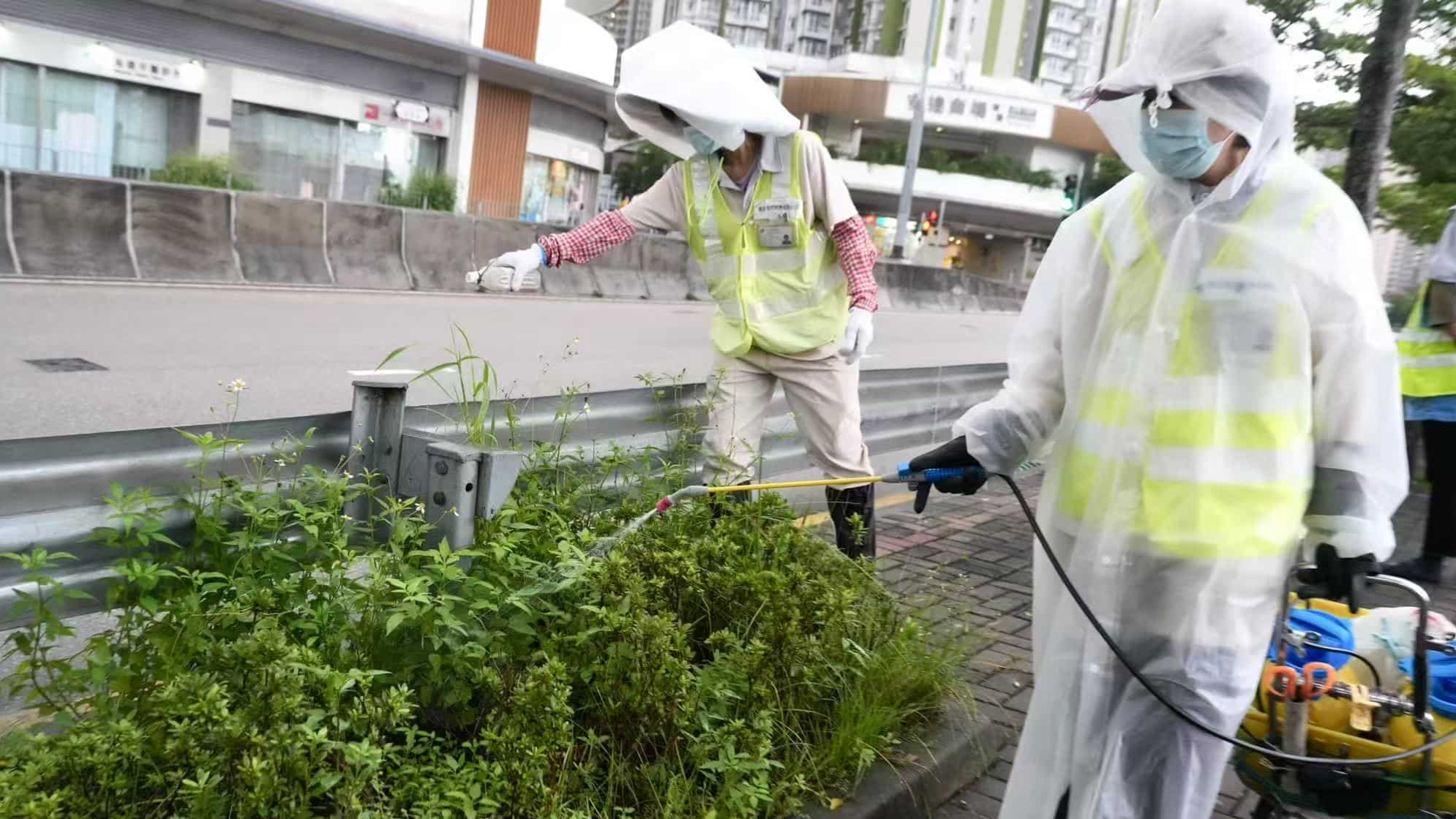
Hong Kong authorities said Wednesday that intensive mosquito-control operations along the closed Tsing Yi Nature Trails will continue for at least another week to 10 days following a cluster of locally acquired chikungunya fever cases.
Five people are suspected to have contracted the mosquito-borne virus while hiking on the popular 7-kilometer trail network, prompting its indefinite closure Tuesday.
The Centre for Health Protection confirmed the outbreak involves chikungunya, a viral disease transmitted by infected Aedes mosquitoes that causes fever and severe joint pain. No fatalities have been reported.
Hundreds of potential mosquito breeding sites have already been eliminated, officials said, with crews deploying fogging machines, larvicides, mosquito traps and even robot dogs to navigate difficult terrain.
Albert Au, head of the Centre for Health Protection’s communicable disease branch, told public broadcaster RTHK that the trail’s vast size and natural obstacles are complicating the response.
“When we inspected the area with the Food and Environmental Hygiene Department, we found that some stormwater drain outlets were blocked by fallen leaves and branches,” Au said. “These challenges may make it more difficult to prevent and control mosquitoes.”
Au sought to reassure the public that the risk of the virus spreading to densely populated urban areas remains low, as the infected mosquitoes typically cannot fly far from the trails.
Health officials urged anyone who recently visited the Tsing Yi Nature Trails to monitor for symptoms including high fever, severe joint pain, muscle pain, headache and rash, and to seek immediate medical attention if symptoms appear within the two-week incubation period.
Chikungunya is rarely fatal but can cause debilitating joint pain that persists for months in some patients. Hong Kong normally records only imported cases of the disease. The current cluster marks a rare instance of apparent local transmission.