







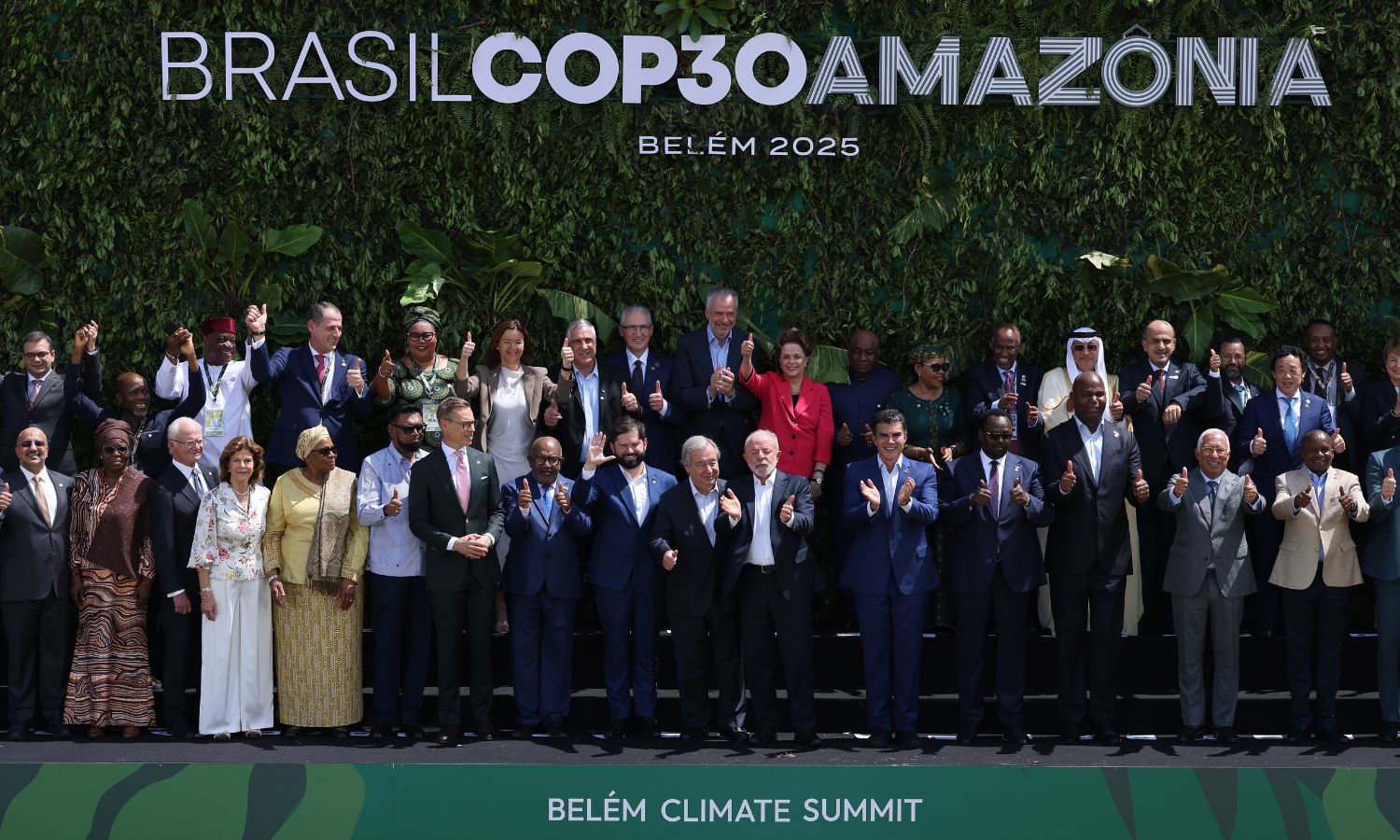
BELEM, Brazil — The United Nations climate summit in this Amazonian city concluded Saturday with nations adopting a final agreement that calls for accelerated emissions cuts to keep global warming below 1.5 degrees Celsius but makes no direct reference to transitioning away from fossil fuels, delegates and observers said.
The outcome document from the 30th Conference of the Parties (COP30) to the U.N. Framework Convention on Climate Change commits countries to close the gap between their current emissions-reduction pledges and what is needed to meet the Paris Agreement’s most ambitious temperature goal. The two-week talks, hosted by Brazil, ran one day past schedule to reach consensus.
Notably absent from the final text was any explicit mention of phasing out or transitioning away from coal, oil, and natural gas, the primary drivers of climate change. Earlier drafts circulated by the Brazilian presidency had included language on exiting fossil fuels, but the phrase was removed after opposition from oil-producing nations and other countries, according to negotiators familiar with the closed-door discussions.
Instead, the agreement establishes a new mechanism intended to help countries implement stronger climate measures and bridge the emissions gap. Diplomats described the mechanism as a framework for technical and financial support, though the document contains no binding timelines or specific funding commitments.
“The text reflects the political realities we face,” Brazil’s chief negotiator said in a closing plenary session. “We have a path forward, even if it is not the one everyone hoped for.”
Climate activists and delegates from vulnerable island nations expressed disappointment, calling the outcome insufficient given escalating extreme weather and scientific warnings that the 1.5 C limit is slipping out of reach.
The Belem conference was widely seen as a test of whether the world could build on last year’s COP28 agreement in Dubai, which for the first time called for “transitioning away” from fossil fuels in energy systems. Saturday’s result marks a step back from that language and highlights continuing divisions between major fossil fuel producers and countries most at risk from climate change.
Negotiators will reconvene next year in Australia for COP31, where pressure is expected to mount for more concrete action on both emissions cuts and financing for developing nations.