








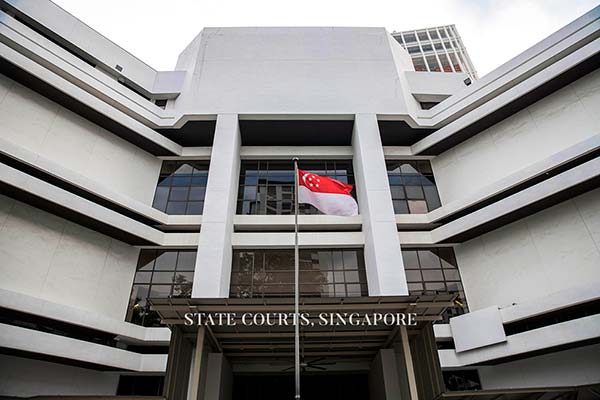
A 72-year-old Filipino woman who lived and worked illegally in Singapore for more than 34 years after her work permit was canceled has been sentenced to six months in jail and fined S$3,000 (about US$2,200), authorities said.
Flordeliza M. Cordeta pleaded guilty in a Singapore court on Dec. 23 to one count of violating the country’s Immigration Act, according to court documents and local media reports. She turned herself in to the Immigration and Checkpoints Authority (ICA) on Dec. 5 after decades underground.
Cordeta first arrived in Singapore on Oct. 27, 1989, on a valid work permit as a domestic helper. Her permit was canceled on July 30, 1991, after her employer failed to pay the required foreign worker levy to the Ministry of Manpower. Instead of leaving the country, she remained illegally for 34 years, four months and five days.
In mitigation, Cordeta, who was unrepresented in court, acknowledged her wrongdoing and requested leniency, according to reports citing Shin Min Daily News.
In a separate but similar case heard the same day, another Filipino domestic helper, 49-year-old Jo Ann Querabu Balbin, was sentenced to six months’ imprisonment and fined S$2,000. She had overstayed for 16 years, six months and five days.
Balbin entered Singapore on April 7, 2009, on a work permit valid for nearly two years, but it was canceled on May 15 that year — also due to her employer’s failure to pay the foreign worker levy. She surrendered to authorities on Dec. 4.
Prosecutors sought the maximum six-month jail term for both women under the Immigration Act, with the possibility of caning — a punishment applicable to certain immigration offenses — substituted with the respective fines.
Singapore enforces strict immigration controls, and overstaying is treated as a serious offense. The maximum penalty for overstaying includes up to six months’ jail and fines, with caning possible for male offenders under 50. Authorities have repeatedly urged employers and individuals to verify immigration status and report suspected violations.
The cases highlight the challenges faced by some long-term foreign domestic workers in the city-state, where many arrive on temporary work permits tied to specific employers. Failure to maintain legal status, often due to employer lapses, can lead to prolonged undocumented stays amid limited pathways to regularization.
Both women are expected to serve their jail terms before repatriation to the Philippines. The ICA has not released further details on potential bans from re-entering Singapore.