


MANILA, Philippines — The United States has expressed satisfaction with how Filipino participants have performed under the J-1 exchange visitor visa program, with Philippine officials now eyeing a possible expansion of the initiative, the Commission on Filipinos Overseas (CFO) said Friday.
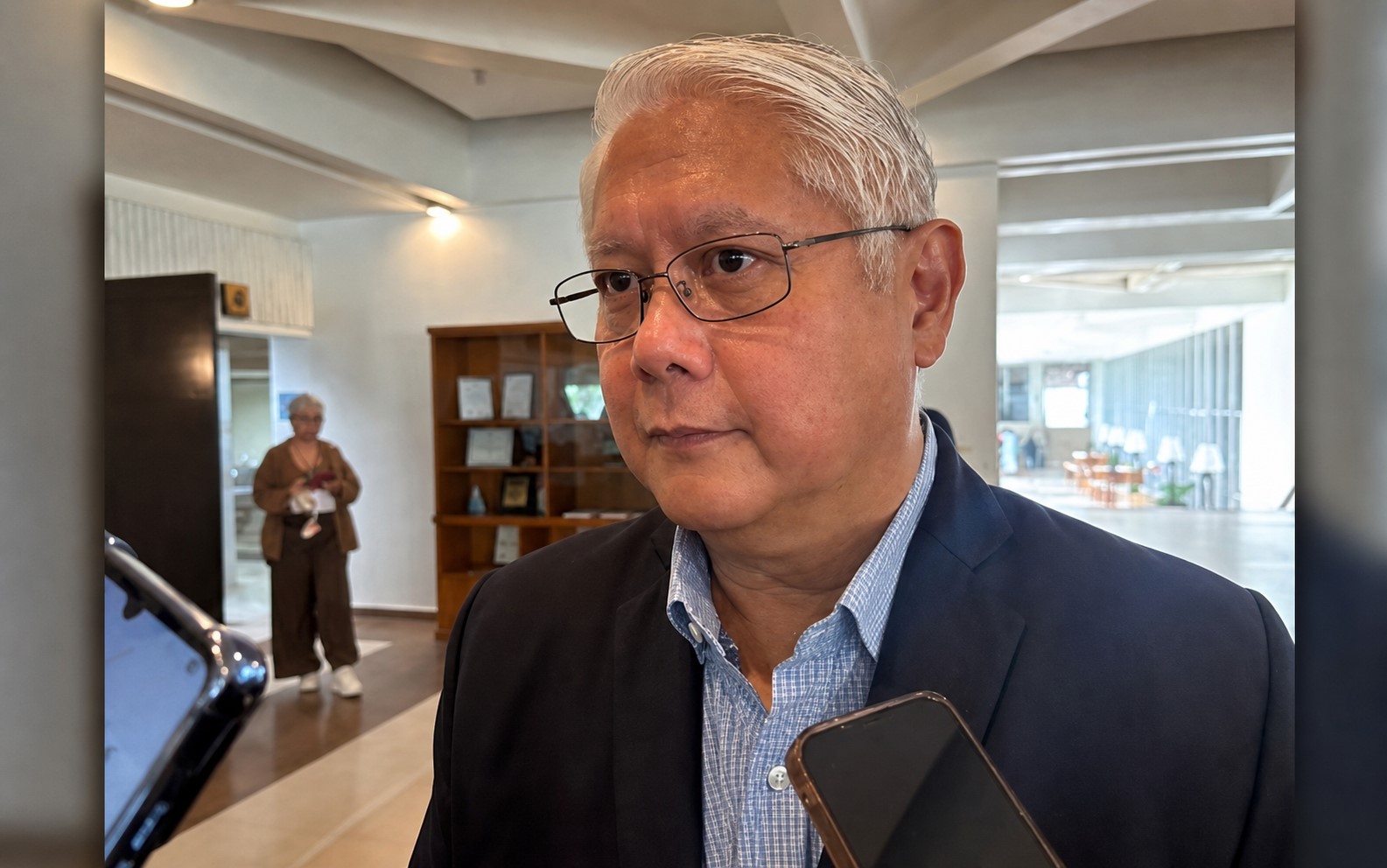
CFO Chairperson Secretary Dante Ang III told reporters on the sidelines of a media training on the Philippine migration landscape that Washington has repeatedly acknowledged Filipinos’ strong compliance with program requirements, particularly their obligation to return home and render service after completing their exchange.
“Because of that, we are looking at maybe expanding the list,” Ang said. “In fact, the US has added some items on the skills list to reflect the development needs of the Philippines,” citing nuclear power technology as one such addition.
The J-1 program is a non-immigrant visa designed for cultural and educational exchange. Holders whose fields of expertise appear on the U.S. Department of State’s “Skills List” are required to return to their home country and remain there for at least two years before becoming eligible to apply for an immigrant visa.
Warning Against Fraud
Even as both governments tout the program’s success, Philippine officials are sounding alarms over reported abuses.
The Philippine Embassy in Washington, D.C. has warned Filipinos that the J-1 visa is not a legal pathway to permanent residency — a message that has taken on added urgency amid the Trump administration’s intensified crackdown on illegal immigration. The warning follows reports that fraudulent recruiters posing as immigration lawyers have been falsely promising U.S. citizenship through J-1 visas.
Ang reiterated the advisory Friday, urging Filipinos to strictly observe U.S. immigration law.
“If your intent is to migrate permanently, then our recommendation is to follow the regular migration pathway,” he said. “Apply for a green card if that’s what you want, or a permanent residency pathway. Don’t use the au pair, the J-1, or other exchange programs if their intention is not to return to the Philippines.”
The Philippines is among the largest sources of J-1 visa holders globally, with Filipinos participating in a range of exchange programs spanning healthcare, education, and technical fields.