




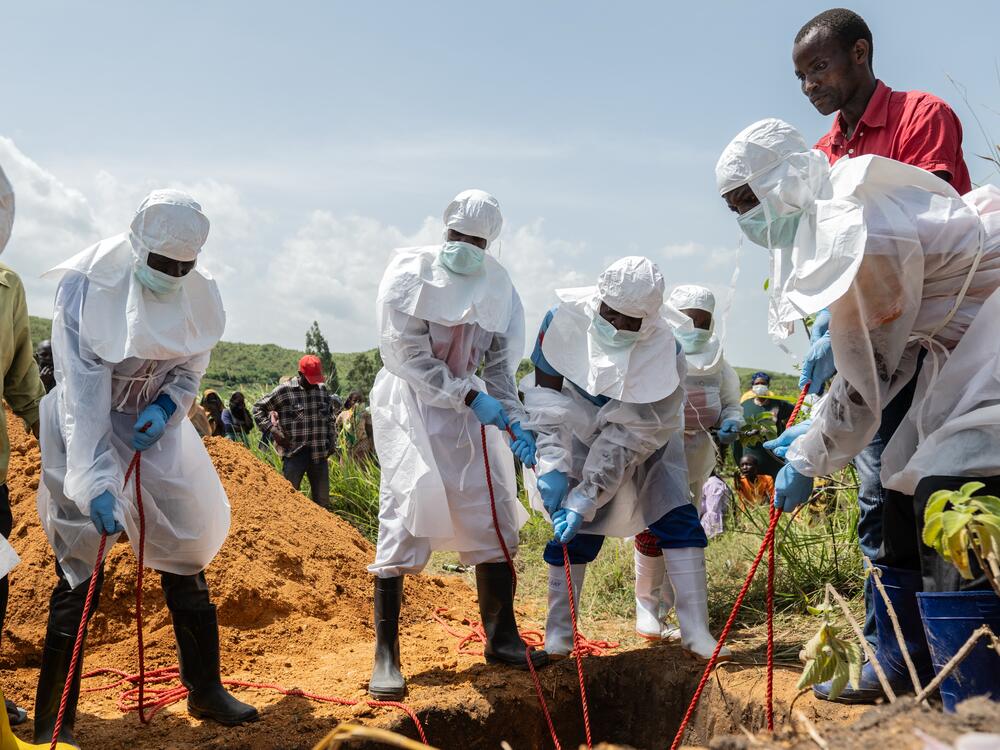
Nearly 1,000 Filipino nationals living in the Democratic Republic of Congo (DRC) and Uganda face heightened risk as a deadly Ebola outbreak, declared a global health emergency, continues to spread across central Africa — though Philippine embassies confirmed no Filipinos have been infected so far.
No Filipino Casualties — Yet
Philippine embassies confirmed that nearly 1,000 Filipino nationals in the DRC, Uganda, and Zambia remain safe as of late May 2026. The Philippine Embassy in Nairobi, which holds jurisdiction over the DRC, urged Filipinos to avoid non-essential travel to affected areas, particularly in eastern DRC, to practice proper hygiene, and to refrain from contact with individuals showing symptoms such as fever, vomiting, diarrhea, or unexplained bleeding. The embassy also encouraged Filipino nationals who have not yet registered through its online mapping system to do so immediately to facilitate emergency communication.
The Outbreak: Scale and Spread
The World Health Organization declared the Ebola outbreak in the DRC and Uganda a Public Health Emergency of International Concern on May 16, 2026, after more than 300 suspected cases and 80 deaths were reported in DRC’s Ituri Province. Caused by the rare Bundibugyo strain of the Ebola virus — for which there is no approved vaccine or treatment — the outbreak has rapidly escalated, with suspected cases topping 900 in eastern Ituri Province and confirmed spread into Goma and Kinshasa. By May 25, Uganda had recorded at least seven cases, including two health workers at a private hospital in Kampala, all linked to the DRC outbreak.
A Virus With No Cure
The Bundibugyo virus has only been detected three times in history: first during a 2007–2008 outbreak in Uganda that killed 37, and again in a 2012 Congo outbreak that claimed 29 lives. Case fatality rates for the strain range from 30 to 50 percent, according to health authorities. The absence of any approved vaccine or specific therapeutic has severely hampered the response, compounded by shortages of protective equipment such as face shields, testing kits, and body bags for aid workers on the ground.
Violence Hampering Response
The response has been further crippled by distrust and violence. Unidentified assailants attacked a treatment tent in Mongbwalu twice in one week, igniting a facility run by Doctors Without Borders (MSF) and causing 18 suspected Ebola patients to flee. Armed conflict and fear among local communities in the long-volatile Ituri region has led to attacks on treatment centers and deep suspicion of health authorities. WHO Director-General Tedros Adhanom Ghebreyesus warned this week that the outbreak could be “lengthy,” expressing concern over its “scale and speed”.
Regional and Philippine Response
Uganda suspended all public transportation and flights to the DRC as a precautionary measure. Hong Kong upgraded its outbound travel alert for the DRC to Red, with airport screening activated for travelers arriving from affected regions. The Philippine Department of Health confirmed it is heightening border surveillance, with its Bureau of Quarantine stepping up screening of travelers arriving from the DRC and Uganda. “There is no reason for Filipinos to panic,” DOH spokesperson Undersecretary Albert Domingo said, adding that the Philippines remains at low risk.
Filipinos in the DRC or Uganda who require emergency assistance may contact the Philippine Embassy in Nairobi at (+254) 736-310-049 or email nairobipe.consular@dfa.gov.ph. Those experiencing Ebola symptoms — including sudden fever, weakness, muscle pain, vomiting, diarrhea, or bleeding — are urged to seek immediate medical attention and inform local health authorities of any recent travel or exposure history.