






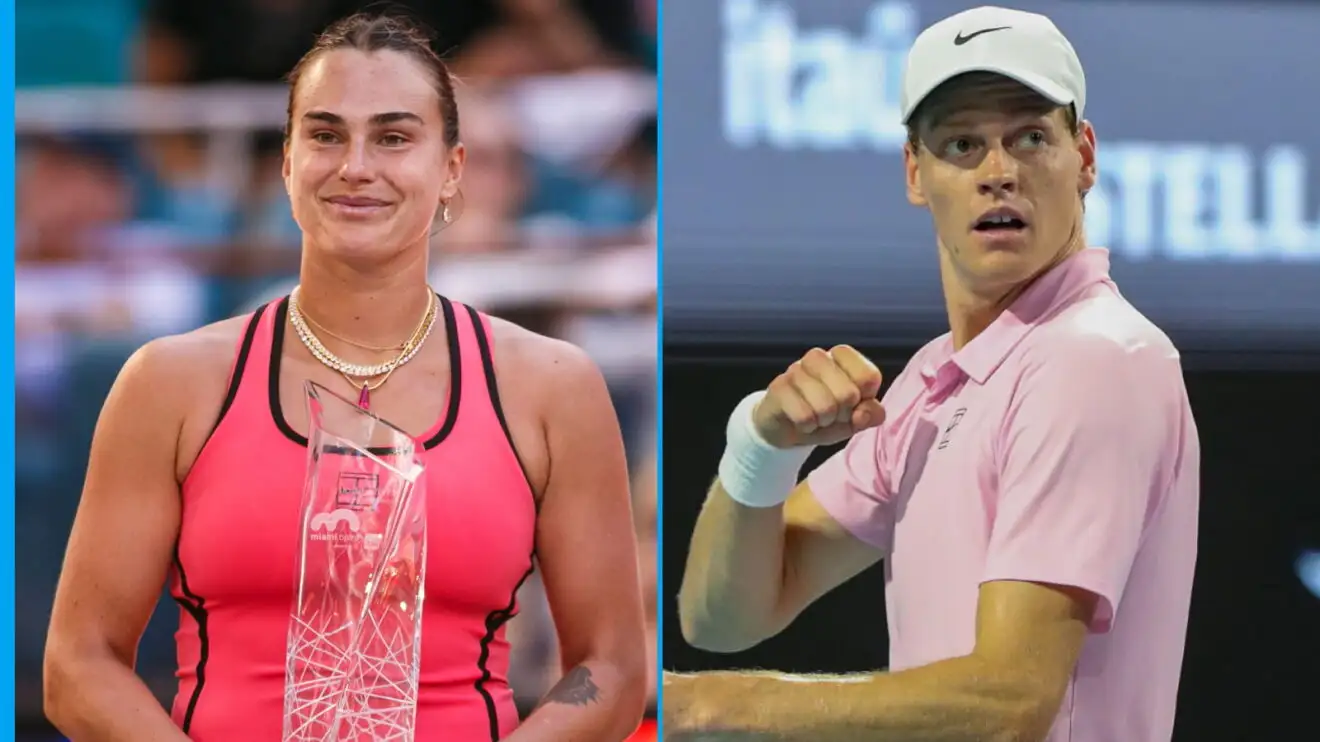
PARIS — The biggest names in tennis say their protest at the French Open is about more than their own paychecks. It is also about lower-ranked players, injury returners and rising young stars who can draw crowds but still struggle to make the sport’s economics work.
World number eight Taylor Fritz said Friday that players’ concerns about Grand Slam prize money have been “ignored” by tournament organizers, helping spur a planned media protest at Roland Garros, which begins Sunday. Most of the top 10 on both tours will limit press availability to 15 minutes, a symbolic nod to the 15 percent of Slam revenue players say they receive and want raised to 22 percent.
“It’s not about wanting more money. It’s about just wanting what’s fair,” Fritz said in Paris. “We have been pretty patient and mild with, I’d say, our requests.”
Pressure on the players below
The financial strain is sharpest away from the elite tier. Sabalenka said she was speaking up for “lower-level players” and those “coming back after injuries,” pointing to the players for whom one missed season or a handful of early exits can derail a career.
That reality also reaches emerging players who have become popular well before they have become wealthy. Filipina star Alex Eala is a useful example: her breakout run at the 2026 Dubai Duty Free Tennis Championships brought in $98,500 and 215 WTA ranking points after a quarterfinal finish, and her 2026 Italian Open run earned 46,080 euros and 65 points after reaching the round of 32. In other words, even a breakthrough week can be lucrative by tennis standards, but it still pales next to the money handed to Slam champions and does not guarantee long-term financial security.
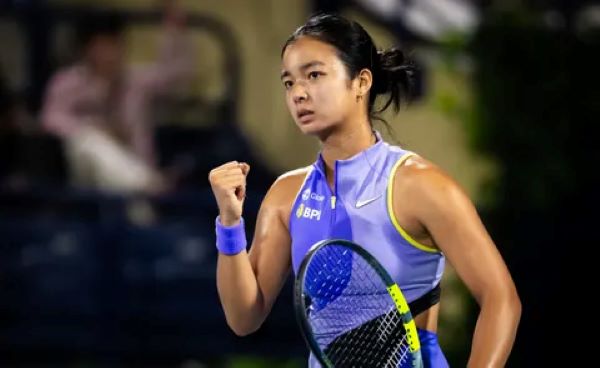
Eala also illustrates why players say popularity does not always translate into compensation. Young stars can attract ticket buyers, television audiences and sponsorship buzz, yet their tournament pay still depends almost entirely on how deep they go in the draw, not on the commercial value they create. For players trying to climb the rankings or returning from injury, that makes the current system especially unforgiving.
Why players are pushing back
The French Open singles champions will each receive 2.8 million euros this year, up from 2.55 million euros last year, but players say the broader revenue split remains the real issue. Grand Slam organizers have said prize money is rising, yet the players’ share of tournament revenue is still widely described as roughly 13% to 15%, well below the 22% target players say is common in joint ATP-WTA events.
For a player in Alex Eala’s position, the biggest burden is usually not one tournament entry fee, but the full season budget behind it: travel, coaching, accommodation, food, physio, stringing, and the cost of staying competition-ready across many cities.
That gap matters because tennis has a steep drop-off after the top ranks. Early-round prize money can cover only a short stretch of a season once coaching, travel, physiotherapy and support staff are paid, especially for players outside the top 50. The result is a system where the sport’s headline stars and its next wave of talent may be visible to fans, but not equally rewarded.
For a player in Alex Eala’s position, the biggest burden is usually not one tournament entry fee, but the full season budget behind it: travel, coaching, accommodation, food, physio, stringing, and the cost of staying competition-ready across many cities. A widely cited breakdown for a top-50-level pro puts annual travel alone at about $50,000 to $150,000, with food around $5,000, coaching around $50,000 plus bonuses, and racket stringing/customization anywhere from $5,000 to $40,000, while total annual expenses can range from about $100,000 to $2 million depending on entourage and support level.
What players actually pay for
For rising players, the money goes first to the basics: flights, hotels, local transport, meals, training court time, and tournament recovery. They also need coaches, fitness trainers, physios, stringers, and equipment maintenance, and those costs rise quickly when a player travels with a larger support team or needs rehab after injury.
A player like Eala also faces the added challenge of long-haul travel from the Philippines, which can make scheduling and costs more difficult than for players based in Europe or the U.S. Even when a tournament provides some amenities, players still often shoulder a large share of the week-to-week expense themselves, especially at lower levels and outside the biggest events.
That’s why players and analysts often stress that a breakthrough week does not automatically equal financial stability. A single strong tournament may fund part of a season, but it may not cover the recurring costs needed to stay on tour and keep climbing.
Why this matters
This is the core of the Grand Slam revenue argument: the sport’s biggest events generate enough money to make the winners rich, but the economics are much harsher for players outside the top tier. Rising players who help attract crowds and build fan interest may still be paid mostly according to results, not commercial value, which leaves less room for young talents and players returning from injury to absorb losses.
In practical terms, tennis can be a business where a player is visible to fans but still financially fragile. That’s why the players protesting at Roland Garros keep returning to the same point: the issue is not only prize money at the top, but whether the sport’s revenue model can support the long road traveled by everyone below it.