







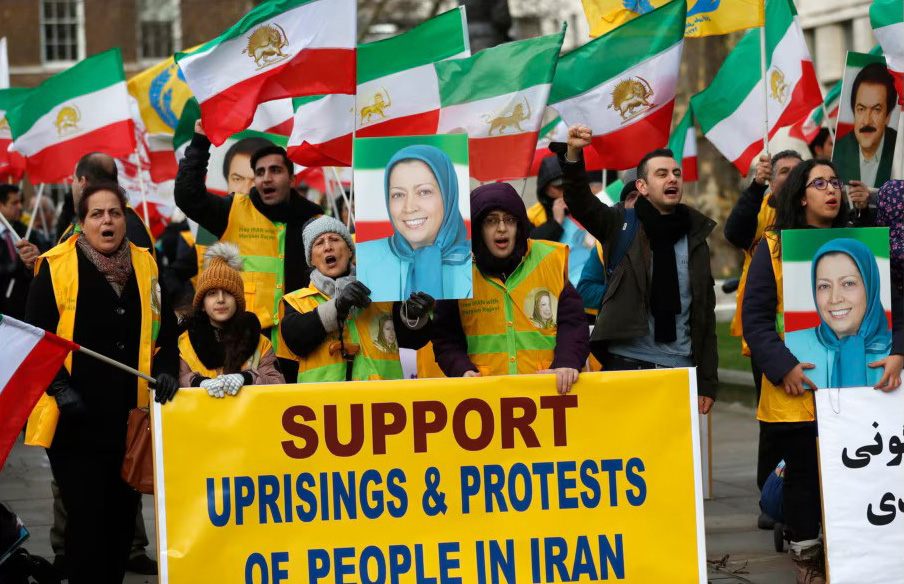
Anti-government protests sweeping across Iran entered their 14th day Saturday, with demonstrators defying an intensifying crackdown and nationwide internet blackout that has severed the nation of 92 million from the outside world. The demonstrations, which began as economic protests in late December, have evolved into the most significant challenge to Iran’s clerical establishment since the 1979 Islamic Revolution.
The death toll continued to mount as security forces clashed with protesters in multiple cities. At least 65 people have been killed since the unrest began, according to the U.S.-based Human Rights Activists News Agency, though other reports suggest the figure could be significantly higher. A Tehran-based doctor told Time magazine that hospitals in the capital had recorded over 217 protester deaths across six medical facilities. The casualties include at least 51 protesters, seven children, and 21 security personnel, according to BBC reports.
The protests erupted on December 28, 2025, when merchants in Tehran’s Grand Bazaar closed their shops to protest the collapse of the Iranian rial, which now trades at over 1.4 million to the U.S. dollar. What began as an economic demonstration quickly transformed into broader calls for regime change, with chants of “Death to the Dictator” directed at Supreme Leader Ayatollah Ali Khamenei and “Neither Gaza nor Lebanon, My Life for Iran” — a rejection of the government’s regional foreign policy priorities.
The movement has spread to all 31 provinces, with demonstrations reported in 348 sites across 111 cities. Participation has broadened from bazaar merchants to include university students, workers, retirees, and ethnic minority groups. On Thursday night, massive crowds gathered in Tehran’s Saadat Abad district and other major cities including Mashhad, Isfahan, and Tabriz.
Iranian authorities have responded with a multi-pronged suppression campaign. The government imposed a near-total internet shutdown on Thursday, reducing connectivity to 1% of normal levels. Security forces have deployed tear gas, conducted mass arrests, and in some cases opened fire on demonstrators. The Intelligence Division of the Revolutionary Guard vowed “no tolerance for terrorist acts” and pledged to continue operations “until complete defeat of the enemy’s plan”.
The crackdown has not quelled the unrest. Exiled Crown Prince Reza Pahlavi, son of the shah ousted in 1979, has called on supporters to take to the streets with Iran’s pre-revolutionary lion-and-sun flag. His appeals have drawn visible support, with demonstrators in multiple cities chanting “Pahlavi is coming back”. The Trump administration has repeatedly expressed support for the protesters, with Secretary of State Marco Rubio stating Saturday that “the United States supports the brave people of Iran”. The State Department warned Iranian authorities: “Do not play games with President Trump. When he says he’ll do something, he means it”.
Supreme Leader Khamenei has signaled no intention of compromise. In a statement aired Friday on state television, he labeled protesters as “vandals” and asserted that the regime “will not back down”. Iran’s attorney general warned that participants could be charged as “enemies of God,” a capital offense. State media has portrayed the demonstrators as foreign-backed “terrorists” and “troublemakers,” while broadcasting footage of funerals for security personnel killed in the violence.
The economic crisis driving the protests shows no signs of abating. International sanctions, coupled with what protesters describe as government mismanagement and corruption, have pushed inflation to record highs and left basic goods increasingly unaffordable. The currency’s freefall has devastated businesses and wiped out savings, with merchants warning that continued conditions would lead to widespread bankruptcy.
Human rights organizations have expressed alarm over the deteriorating situation. Amnesty International reported that security forces have used unlawful lethal force, causing further deaths and injuries since the internet blackout began. The organization is investigating reports of a potential massacre under the cover of the communications shutdown. Iranian Nobel Peace Prize laureate Shirin Ebadi has warned that authorities might exploit the blackout to carry out mass killings.
The protests have taken on distinct characteristics from previous uprisings. Unlike the 2022 Women, Life, Freedom movement that began over mandatory hijab laws, the current demonstrations originated with bazaar merchants — a traditional base of regime support — and working-class communities that authorities are typically wary of alienating. Analysts note that the regime faces challenges on multiple fronts, including ethnic secessionist movements and pressure from major powers.
As the demonstrations approach their third week, the situation remains fluid. With communications largely severed, verifying events inside Iran has grown increasingly difficult for international observers. What is clear is that both protesters and the government have dug in, with neither side showing signs of retreat. (source: agencies)