








MANILA — The Philippine government has repatriated nearly 11,000 overseas Filipino workers and their family members from the Middle East since March, as security concerns continue to affect parts of the region, an official said Wednesday.
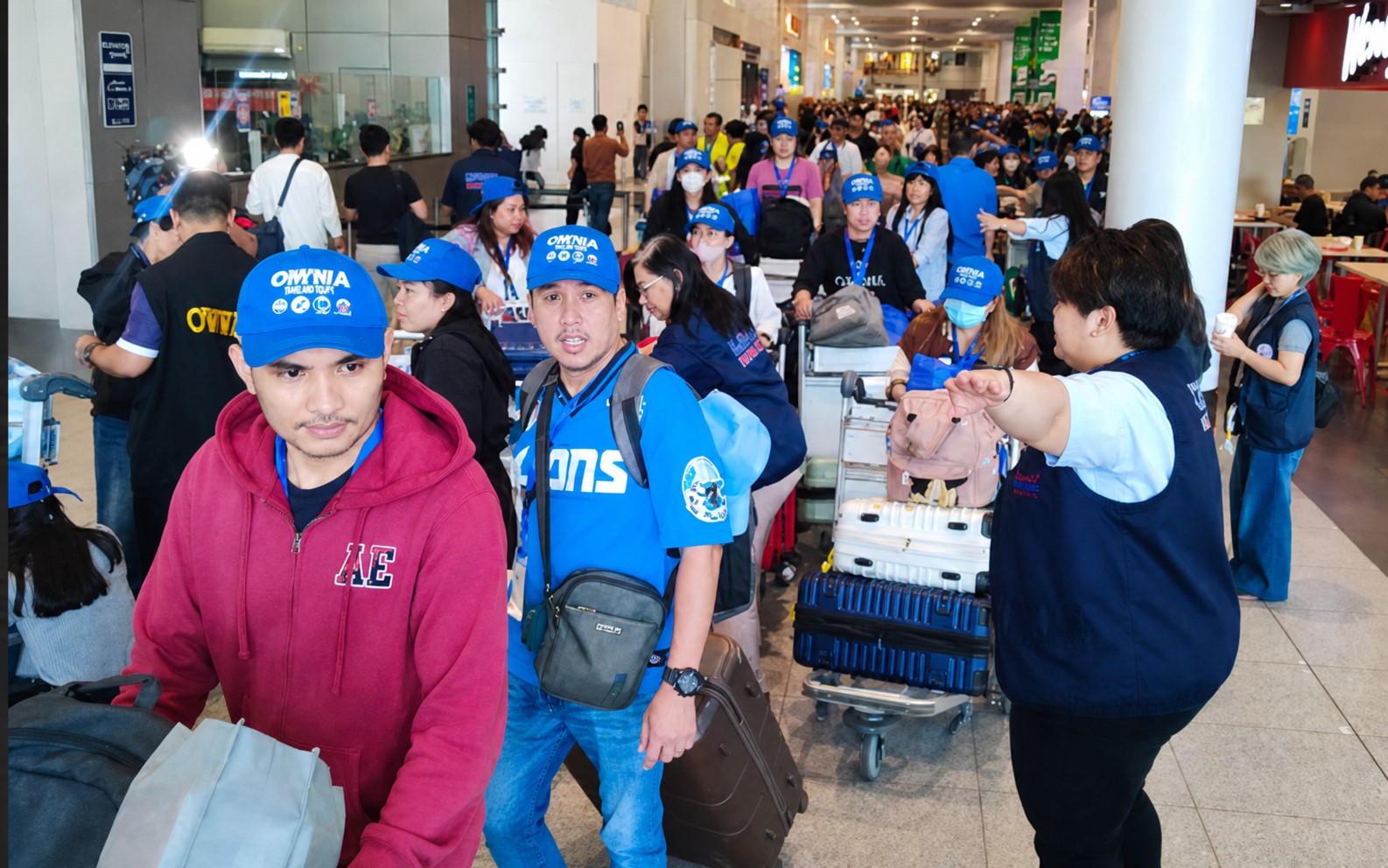
Overseas Workers Welfare Administration (OWWA) Administrator Patricia Yvonne “PY” Caunan said the latest group of 165 Filipinos arrived Tuesday from Kuwait, bringing the total number of returnees to close to 11,000.
Authorities arranged for the group’s transfer from Kuwait to Riyadh, Saudi Arabia, before their flight to Manila following a recent bombing incident at Kuwait’s airport, Caunan said in an interview with Radyo Pilipinas.
The repatriates were received at Ninoy Aquino International Airport Terminal 3 and transported to government-managed processing and transit facilities, where they were provided assistance before returning to their home provinces.
Caunan said all returnees received financial aid from OWWA, including transportation assistance for those traveling outside Metro Manila.
The government is also expanding reintegration efforts for returning workers in coordination with the Department of Migrant Workers, Department of Labor and Employment, and other agencies. Programs include livelihood support, skills training, and job placement services aimed at helping returnees rebuild their lives locally.
Many repatriated workers initially prioritize time with their families after difficult experiences abroad, Caunan said, but later explore employment or business opportunities.
Some have expressed interest in upgrading their skills, particularly domestic workers seeking to transition into roles such as caregivers, housekeepers, or baristas, she added.
Others, she said, are considering starting small businesses, especially those who returned with little or no savings and prefer to remain in the Philippines.
To support these efforts, OWWA has launched pilot livelihood programs such as the “Nego Kart” initiative, which provides small business assistance to returning workers and their families.
Caunan cited one case in which a repatriated worker’s family was able to establish a small enterprise through the program, generating a steady source of income.