








MANILA, Philippines — The Overseas Filipino Workers (OFW) Hospital in San Fernando, Pampanga, continues to provide free, specialized healthcare to Filipino migrant workers and their families, even as patient numbers soar and services expand, officials said Thursday.
Department of Migrant Workers (DMW) Secretary Hans Leo Cacdac reaffirmed the government’s commitment to the hospital’s zero-billing policy during a media briefing. “Not a single peso was paid,” Cacdac said, emphasizing that the DMW-run facility has maintained free services since its inception. “We’ve never had that difficulty nor challenge here at the OFW Hospital since Day 1.”
From January to June, the hospital served over 53,000 patients, a 24% increase from the 43,000 recorded in the same period last year, according to Dr. Patrick Louie Maglaya, the hospital’s officer-in-charge. Despite the surge, no patient has been charged for services ranging from consultations to surgeries.
Funding for the hospital, which operates on an annual budget of 300 to 500 million pesos ($5.2 to $8.6 million), comes from multiple sources, including the Department of Health, PhilHealth reimbursements, and contributions from the Overseas Workers Welfare Administration, Philippine Charity Sweepstakes Office, and Department of Social Welfare and Development, said Dr. Goldwin Posadas, head of ancillary services. The budget, allocated under the General Appropriations Act, covers operating expenses, utilities, janitorial services, and salaries for 198 permanent staff, supplemented by contract workers, added DMW Undersecretary Dominique Rubia-Tutay.
Patient Numbers Surge
The hospital’s inpatient services more than doubled, rising 119% from 221 patients in 2024 to 485 this year, Maglaya reported. Surgical operations climbed 72%, from 180 to 309 cases, while urgent care admissions increased 63%, from 1,145 to 1,863. Outpatient consultations grew 14% to 23,629, with OB-Gyne cases up 67% and respiratory illness cases surging 128%, reflecting growing trust in the facility.
Diagnostic and support services, including radiology, laboratory, and heart station, also saw significant increases, Maglaya said.
Expanded Services to Meet Demand
To address rising demand, the hospital has introduced specialty services in cardiology, nephrology, pulmonology, ENT, and surgery. It has acquired MRI and mammogram machines, expected to be operational within six months, and is awaiting Department of Health accreditation for its Intensive Care Unit. A 100-million-peso Cancer Care Center is slated to begin construction this year, Rubia-Tutay said.
The hospital, which serves active and former OFWs and their dependents, is preparing for Level 2 accreditation to further enhance its capabilities.
A Lifeline for Migrant Workers
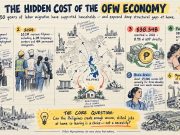
The OFW Hospital stands as a critical lifeline for Filipino migrant workers, who number over 2 million worldwide and are a cornerstone of the Philippine economy. By offering free, high-quality care, the facility underscores the government’s commitment to supporting those who contribute significantly to the nation’s remittances, which reached $33.5 billion in 2024.
As the hospital expands to meet growing needs, Cacdac said the zero-billing policy remains non-negotiable. “This is about ensuring our OFWs and their families get the care they deserve, no matter the cost.”