





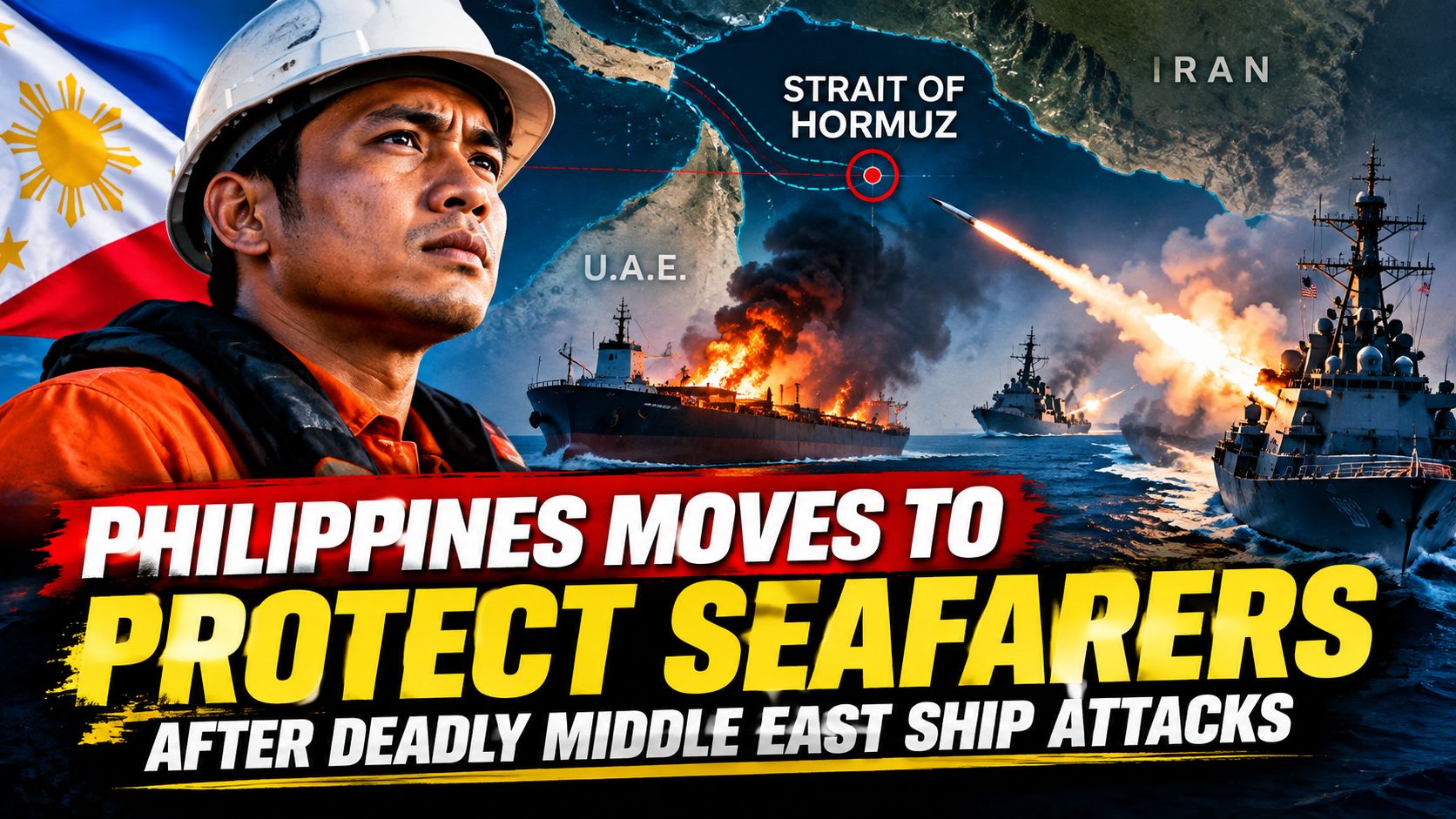
The Philippine government is intensifying measures to safeguard and support its seafarers amid mounting danger from the expanding conflict in the Middle East, President Ferdinand Marcos Jr. said, following deadly attacks on commercial ships that claimed the lives of Filipino crewmen.
Speaking to reporters Sunday after attending the 18th BRICS Summit in New Delhi, Marcos emphasized that Filipino maritime workers face severe exposure to wartime hazards due to their heavy representation across global commercial shipping fleets.
Marcos noted that whenever an international tanker or cargo ship comes under fire, Philippine nationals are frequently aboard, placing them directly in harm’s way. He stated that the government views the growing casualty count among maritime personnel as an immediate danger, noting that the likelihood of Filipinos being injured or killed during such strikes remains high.
The warning comes after an Aug. 31 assault on the Saudi-flagged crude oil tanker MT Sidr in the Strait of Hormuz, which left two Filipino crew members dead, according to the Department of Migrant Workers. Fourteen other Filipino crewmen survived the attack and were repatriated to Manila on Sept. 8.
In the aftermath of the strike, Marcos directed migrant worker officials to extend immediate aid to the victims’ families and secure the timely distribution of state benefits, death compensation, and insurance payments. Philippine authorities have also initiated inquiries involving foreign shipowners and domestic crewing agencies linked to five commercial vessels crewed by Filipinos that either endured attacks or encountered hostile conditions in the Strait of Hormuz and the northern Black Sea.
Marcos pledged continued state assistance for affected mariners and their dependents while pressing international partners for diplomatic cooperation to shield maritime personnel. He lamented the violence as an unavoidable consequence of war and appealed to combatants and foreign counterparts to spare vessels carrying civilian Filipino workers.
Maritime safety emerged as a focal point during the BRICS summit, where Indian Prime Minister Narendra Modi stressed the urgency of safeguarding commercial navigation lanes and proposed establishing an emergency assistance network for mariners caught in regional conflicts.
Marcos added that Manila’s broader contingency plans include shielding overseas Filipino workers, domestic transport personnel, and vulnerable economic sectors from the ripple effects of the overseas hostilities.