








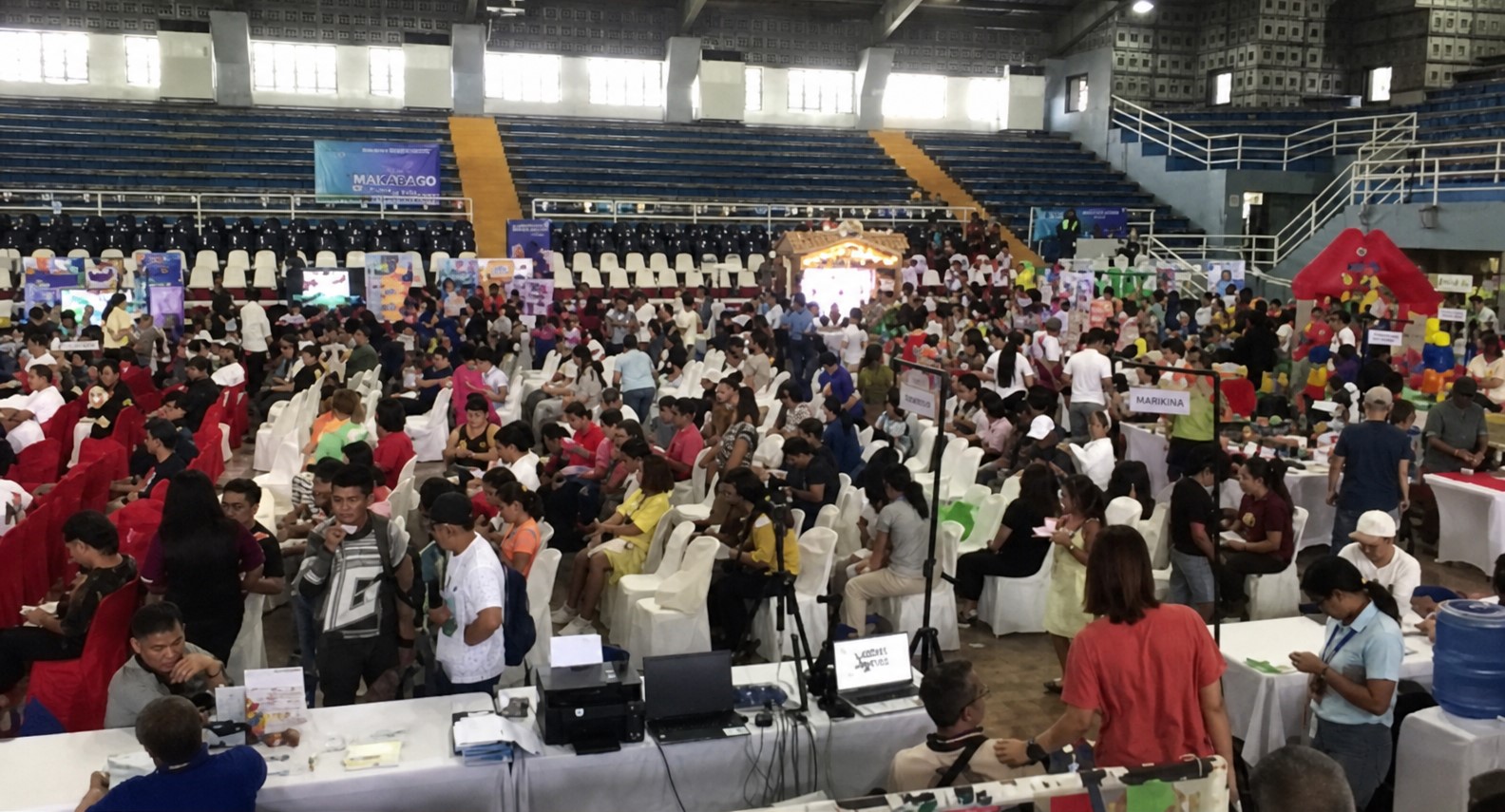
LEGAZPI CITY, Philippines — The Department of Migrant Workers (DMW) on Thursday underscored the need to bring reintegration services closer to overseas Filipino workers (OFWs) as it rolled out the BBM-National Reintegration Network (NRN) Caravan in Albay, aiming to provide sustained support beyond repatriation.
Assistant Secretary for Reintegration Services Francis Ron De Guzman said the initiative seeks to ensure returning workers receive assistance as they transition back into their communities. “Our responsibility does not end with bringing them home safely. What is more important is ensuring their well-being upon their return,” he said during the event at the Albay Astrodome.
The NRN is a whole-of-government program integrating services from multiple agencies, initially 16, under a joint memorandum circular issued following a directive from President Ferdinand R. Marcos Jr. The network has since expanded as more agencies joined the effort.
De Guzman said the program focuses on three pillars: aftercare or “kalinga,” livelihood and employment support, and skills upgrading. Services include psychosocial counseling, health care, job matching and training programs in coordination with agencies such as the Department of Health, Department of Labor and Employment, and Technical Education and Skills Development Authority.
The Albay stop marked the 12th caravan since its launch in Quezon City in April, with additional runs scheduled in Isabela, Agusan, Butuan, Batangas and Baguio.
Repatriated OFWs from Middle East receive continued government support
LEGAZPI CITY, Philippines — Philippine authorities are extending assistance to dozens of overseas Filipino workers recently repatriated from the Middle East, highlighting ongoing efforts to support distressed migrants returning home.
Department of Migrant Workers Assistant Secretary Francis Ron De Guzman said 137 OFWs arrived earlier this week, many of whom require continued support after being affected by regional conflicts.
“These interventions are particularly important for distressed and repatriated OFWs,” De Guzman said, noting that government agencies are coordinating to provide health services, counseling and reintegration assistance.
The returning workers are being enrolled in programs under the National Reintegration Network, which aims to help them rebuild their livelihoods and reintegrate into local communities.
Officials said the government is maintaining close contact with the repatriates to address immediate needs and provide long-term support options.
Livelihood aid offers new start for returning OFWs in Bicol
LEGAZPI CITY, Philippines — Returning overseas Filipino workers in the Bicol region are receiving livelihood support through government programs aimed at helping them rebuild income sources after working abroad.
The Department of Migrant Workers said its reintegration caravan in Albay includes job fairs, employment matching and business assistance under the Expanded Livelihood Development Assistance Program.
Among the beneficiaries is Francisco Catimbang, 60, who returned from Saudi Arabia after being diagnosed with serious health conditions. With government assistance, he plans to start a small piggery business to support his family.
Officials said such programs are designed to provide sustainable income opportunities for returning workers, particularly those unable to resume overseas employment due to health or other constraints.
The initiative is being implemented in partnership with local governments and employment agencies to ensure broader access to opportunities.
Skills training pushed as key to protecting Filipino migrant workers
LEGAZPI CITY, Philippines — Philippine officials are emphasizing skills development as a critical safeguard for overseas Filipino workers, both before deployment and after their return.
Department of Migrant Workers Assistant Secretary Francis Ron De Guzman said upskilling programs under the reintegration initiative aim to expand employment opportunities and improve workers’ resilience.
“The higher their skills and knowledge, the greater the opportunities available to them,” De Guzman said.
Training programs are being delivered in coordination with the Technical Education and Skills Development Authority and local government units, focusing on both local employment and potential redeployment abroad.
Authorities said strengthening workers’ qualifications can help reduce vulnerabilities and improve long-term economic stability for migrant workers and their families.
Former OFW in Albay rebuilds life through small business
LEGAZPI CITY, Philippines — After nearly 17 years working in Oman, Eden Abadonio returned to the Philippines due to health concerns, uncertain about her future but determined to rebuild.
With assistance from the Department of Migrant Workers and the Overseas Workers Welfare Administration, the 60-year-old from Bacacay, Albay, established a small business to support herself.
“Life does not end with being an OFW,” Abadonio said, recalling how she was sent home without a return ticket and had to seek government help.
Her case highlights the challenges faced by returning migrant workers and the role of reintegration programs in helping them transition to local livelihoods.
Officials said stories like Abadonio’s underscore the importance of sustained government support, particularly for workers forced to return home due to illness or unforeseen circumstances.