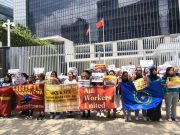




The Philippine government is expanding its emergency operations and hiring additional staff to handle a surge in assistance requests from overseas workers caught in the escalating Middle East crisis, officials said Tuesday.
The Overseas Workers Welfare Administration (OWWA) is currently recruiting more personnel to bolster its 24-hour hotline and repatriation divisions. OWWA Chief Patricia Yvonne Caunan told reporters that the agency has received more than 500 applications, including several from former overseas Filipino workers (OFWs) seeking to assist their colleagues still abroad.
The move comes as the agency manages an average of 250 calls and digital requests for help per day.
“I am making the hiring urgent because every single caller is talked to and assessed,” Caunan said during a press briefing. She noted that the agency has expanded its reach beyond traditional phone lines to include WhatsApp, Viber, and a dedicated mobile app to monitor Filipinos in conflict zones.
The government has also implemented a “social media watch” to track and respond to distress signals posted by workers in Facebook comments and posts.
Migrant Workers Secretary Hans Leo Cacdac reported that the number of Filipinos receiving basic needs assistance—including food, temporary shelter, and transport—has jumped to 7,255 across the Gulf States, Israel, Jordan, and Lebanon. This is a significant increase from the 4,600 cases reported just last week.
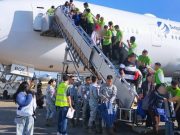
To facilitate evacuations, Manila has deployed a “multi-layered repatriation strategy.” This includes the use of commercial and chartered flights, as well as land crossings into neighboring countries to bypass limited airspace in active combat zones.
“Once they cross from any of the affected countries, they will be flown home to the Philippines,” Cacdac said, adding that nearly 1,200 government-funded tickets have already been secured for workers and their dependents.
Despite the mounting costs of the operation, officials assured the public that the government’s coffers remain healthy. Two primary sources—the Department of Migrant Workers’ “Aksyon Fund” and OWWA’s “Emergency Repatriation Fund”—are currently being utilized.
“To cut the long story short, the funds are still more than enough,” Caunan said. “The priority is the assistance and repatriation we can provide to our workers.”
The Philippines is one of the world’s largest exporters of labor, with millions of its citizens working in the Middle East as domestic helpers, construction workers, and health care professionals. Their remittances are a vital pillar of the Philippine economy, but their presence in volatile regions frequently necessitates large-scale, state-funded rescue missions during periods of geopolitical instability.