
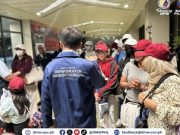

MANILA — The Department of Social Welfare and Development (DSWD) is providing immediate psychosocial support, financial aid and other assistance to overseas Filipino workers (OFWs) repatriated from the Middle East amid the escalating geopolitical conflict in the region, an official said.
In a radio interview, DSWD Assistant Secretary Irene Dumlao of the Disaster Response and Management Group said the agency is coordinating with the Department of Migrant Workers (DMW), the Overseas Workers Welfare Administration (OWWA) and other government bodies to deliver prompt and orderly help to returning Filipinos.
“The DSWD is cooperating with the DMW, OWWA and other government agencies for the orderly and prompt delivery of appropriate assistance to our countrymen,” Dumlao said.
The assistance follows President Ferdinand Marcos Jr.’s directive to prioritize the safety and welfare of OFWs affected by the crisis, which has prompted repatriations from countries including the United Arab Emirates, Saudi Arabia, Bahrain, Kuwait, Qatar and Iran.
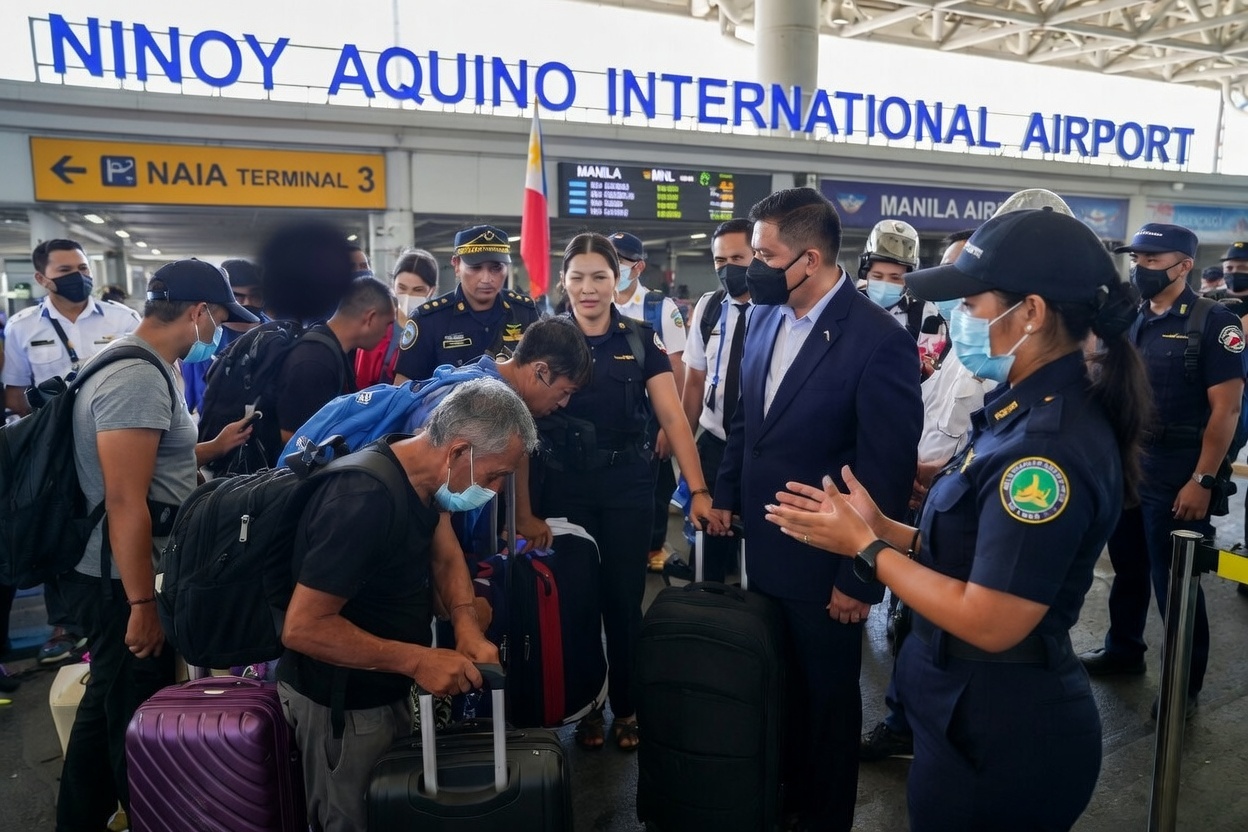
Psychosocial intervention is a core component of the support, Dumlao emphasized, given the potential emotional and psychological toll from the conflict. Upon arrival at Philippine airports, social workers assess returnees to identify needs for counseling, stress debriefing sessions or further medical referrals coordinated with the Department of Health.
The DSWD also stands ready to offer temporary shelter at its centers and residential care facilities for those requiring accommodation while arranging onward travel to their home provinces, though none are currently housed in such facilities.
Financial support is available through the Assistance to Individuals in Crisis Situation program, including transportation aid for provincial return journeys. To address longer-term concerns, particularly livelihood restoration—a primary worry among many returnees—the DSWD may extend help via its Sustainable Livelihood Program.
Under the program’s employment facilitation track, beneficiaries receive job-aligned training, pre-employment document processing and administrative support. The microenterprise development track provides capacity-building and potential seed capital for small business startups.
Dumlao noted that close to 300 repatriated OFWs have already received assistance from the DSWD and partner agencies.
“The DSWD assures the public that it will continue to work closely with partner agencies to ensure that repatriated OFWs receive the necessary support as they recover and reintegrate into their communities,” she said.
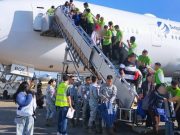
Repatriation efforts have intensified in recent days, with chartered flights arranged from Gulf hubs and reports of hundreds of OFWs returning since early March as tensions involving U.S., Israel and Iran strikes persist. Government data indicate over 1,000 have sought repatriation assistance, amid broader concerns for more than 2 million Filipinos in the region.