






MANILA — The Philippine Department of Migrant Workers is stepping up efforts to reintegrate thousands of returning overseas Filipino workers into the domestic economy, offering livelihood assistance, skills training, and new employment pathways to workers displaced by conflict and disruptions abroad.
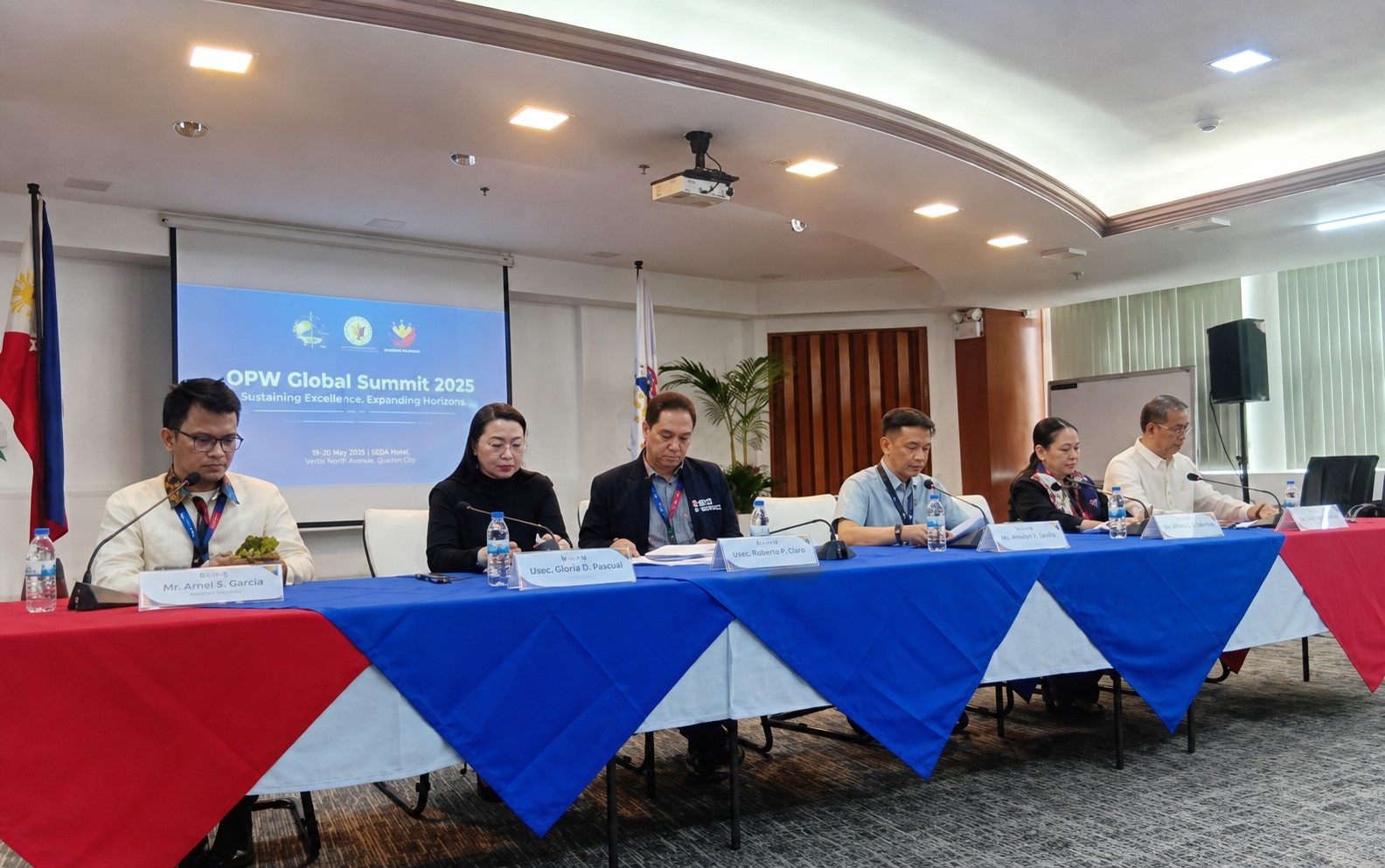
At a press briefing Monday in Mandaluyong City, DMW officials said the government’s National Reintegration Network caravan — launched by President Ferdinand Marcos Jr. in April — has already reached nearly all regions of the country, recording more than 4,000 former OFWs and over 700 recently repatriated workers who have received frontline services.
“We have already recorded more than 4,000 former OFWs and over 700 recently repatriated OFWs who have been provided with frontline services and assisted with their reintegration needs,” said Assistant Secretary Kiko de Guzman.
DMW Undersecretary Felicitas Bay said more than 2,000 returning workers have expressed interest in government programs, with around 1,500 seeking livelihood assistance, over 600 pursuing local employment, and approximately 1,300 looking to redeploy abroad. Some workers whose contracts remain active are waiting for conditions in their host countries to stabilize before returning, while others are pursuing jobs in new destinations through government-to-government placement programs.
Bay cited the case of a caregiver repatriated from a conflict zone who used a government-issued TESDA voucher to retrain and launch a new career. “There’s life after any conflict or hostility. There’s life after repatriation,” she said.
Migrant Workers Secretary Hans Leo Cacdac said skills development has become a central pillar of reintegration, with expanded training in caregiving, emergency health services, and, notably, artificial intelligence. De Guzman said AI courses would be rolled out across regions nationwide. “We believe our OFWs need to be future-ready,” he said.
DMW Undersecretary Darlene Pajarito highlighted efforts to connect returning workers with opportunities within the Philippines, noting that a regional office in Zamboanga Peninsula helped place 142 teachers — formerly employed abroad in low-skilled work — into licensed teaching positions locally. “Sometimes it’s just closing the gap,” she said.
Looking ahead, the DMW expects 10 to 12 agencies to participate in a job fair on Philippine Independence Day, June 12, offering more than 4,000 vacancies across Asia Pacific, Europe, and the Americas.