






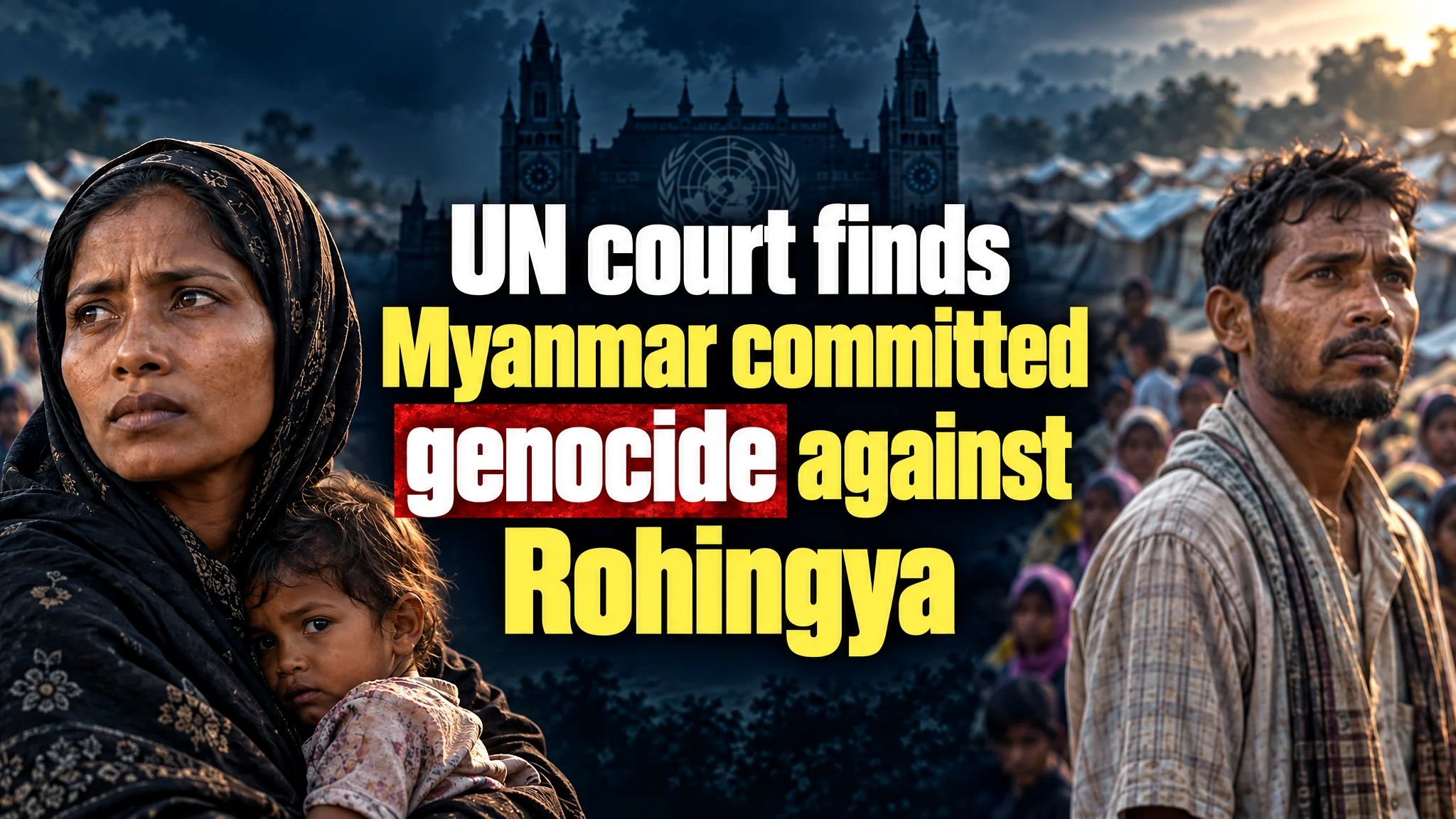
The United Nations’ highest court ruled Thursday that Myanmar committed genocide against the Rohingya minority during a 2017 military campaign and ordered reparations and a path for survivors to return home.
The International Court of Justice decision is the first in which the court has held a state responsible for committing genocide. Judges voted 9-6 to find genocide in northern Rakhine state and also found that Myanmar failed to prevent and punish it.
The court found that “genocidal intent is the only reasonable inference that can be drawn from the evidence.” It found that security forces killed members of the group, caused serious bodily and mental harm, and imposed measures intended to prevent births.
The court accepted evidence that about 10,000 Rohingya were killed and that nearly 400 villages were partly or wholly destroyed. More than 700,000 people fled to Bangladesh. Judges cited executions, widespread sexual violence and the burning of homes, as well as the destruction of evidence.
Myanmar has denied genocide, saying its forces responded to attacks by Rohingya insurgents. Representative Ko Ko Hlaing declined to comment as he left the court.
Gambia brought the case in November 2019. The court ordered Myanmar to investigate suspects, prosecute where warranted, prevent further violations, support the safe and voluntary return of the displaced, and pay compensation. The amount will be decided later. Myanmar must report within two years.
U.N. Secretary-General António Guterres called the ruling “a powerful recognition of the Rohingya victims of genocide” and said impunity “must not stand.”
“This is like formal recognition of our suffering,” Mohammed Nowkim, a survivor now living in Canada, told the BBC.
The judgment is final and binding, but the court cannot enforce it or imprison commanders. Separate trials would be needed to establish individual criminal responsibility.