







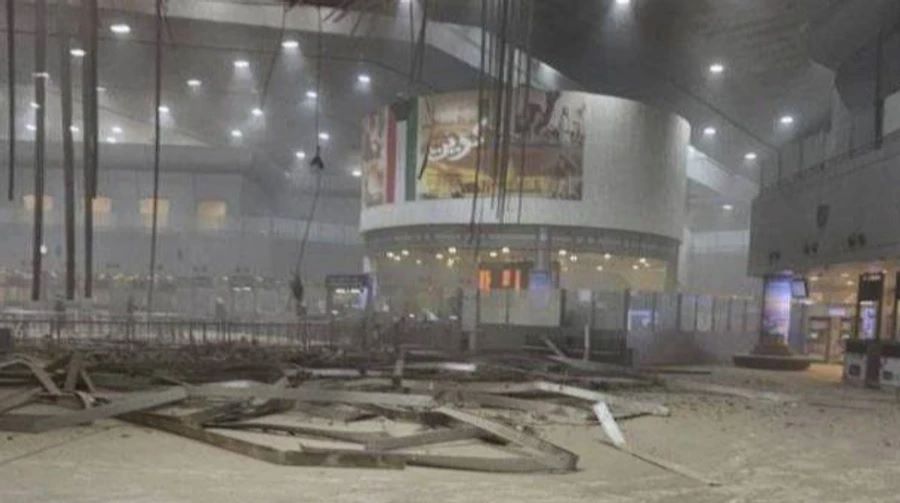
KUWAIT CITY — Iranian drones struck Kuwait’s main airport, killing one person and injuring 63 others, in the latest spillover from the wider Iran conflict and a blow that sent fresh shock waves through the country’s large foreign-worker population, including thousands of Filipinos.
What happened
Kuwait said the attack damaged a passenger terminal at Kuwait International Airport and forced a temporary closure before flights later resumed from an unaffected terminal.
Authorities said the casualties included airport workers, travelers and other civilians, and health officials reported serious injuries among the wounded.
Effect on OFWs
For Overseas Filipino Workers in Kuwait, the immediate impact is heightened fear, travel disruption and the possibility of work interruptions near transport and aviation hubs.
The Philippine Embassy in Kuwait urged Filipinos to stay at home or remain in secure locations, avoid unnecessary travel and rely only on official updates.
Government response
The Department of Migrant Workers has already been maintaining heightened monitoring and welfare measures for OFWs in the Middle East, while the Overseas Workers Welfare Administration’s repatriation program remains available for distressed workers.
Recent reports also show continued repatriation activity from Kuwait amid regional tensions, underscoring that some Filipinos are already choosing or being advised to leave affected areas.
Why it matters
Kuwait is home to a major Filipino community, and any escalation near critical infrastructure can quickly affect employment, mobility and safety for OFWs.
Even when flights resume, the attack can still trigger anxiety, stricter movement rules and contingency planning among employers, embassies and migrant workers.