



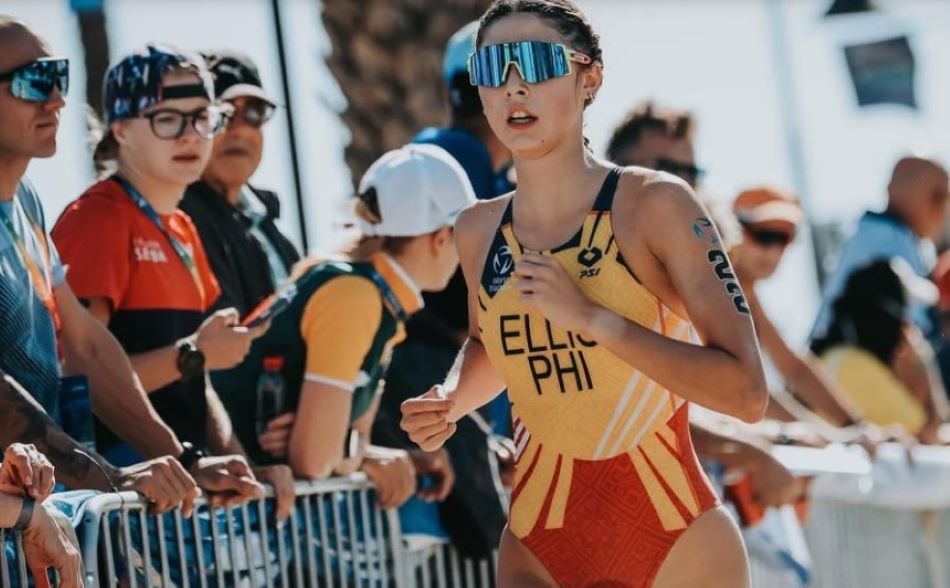
RIGA, Latvia — In the crisp Baltic air of Riga, where the Daugava River meets the determination of young athletes from across Europe, 18-year-old Filipina triathlete Kira Ellis etched her name into the annals of Philippine sports history. On August 17, 2025, Ellis surged to victory in the Junior Women’s Division of the 2025 European Triathlon Junior Cup, clinching the gold medal with a blistering time of 1:05:07. This triumph wasn’t just a personal milestone; it was a beacon of resilience for a nation hungry for international sporting success.
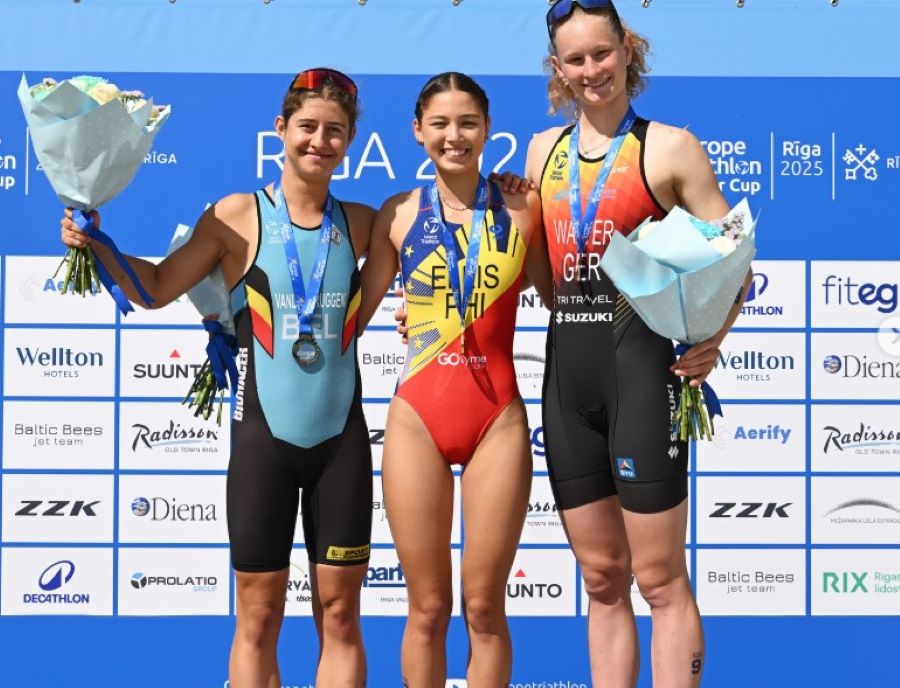
Ellis has been a mainstay on the Philippine national triathlon team since her early teens. Born to a Filipino mother and an Australian father, she grew up balancing the tropical beaches of the Philippines with rigorous training regimens that honed her into a formidable competitor. Her journey to the top has been marked by early successes in local and regional events, including standout performances in the Southeast Asian Games circuit. But this European conquest? It came after a grueling five-month hiatus from racing, sidelined by a nagging injury that tested her mental fortitude.

“This race will always be a special memory for me,” Ellis shared in an emotional Instagram post shortly after crossing the finish line. “Riga, you truly have my heart—what a race.” The young athlete reflected on her comeback, admitting the break had left her doubting her form. Yet, she channeled that uncertainty into fuel, delivering a performance that outpaced 15 elite competitors from powerhouses like Germany, Italy, and the host nation Latvia.
The race itself was a symphony of endurance: a 750-meter swim in the chilly waters of the Daugava, followed by a grueling 22-kilometer bike leg through Riga’s historic streets, and capped with a 5.1-kilometer run that separated the contenders from the champions. Ellis dominated from the outset, emerging from the swim in third place before unleashing her cycling prowess to take the lead. By the run, she had built an insurmountable gap, finishing nearly a minute ahead of the silver medalist. Her splits—swim in 11:42, bike in 35:15, and run in 18:10—showcased the balanced athleticism that has coaches buzzing about her potential.
Back home, the win sparked a wave of national pride. The Philippine Sports Commission (PSC) was quick to hail Ellis, with Chairman Richard Bachmann stating, “Kira’s stellar comeback shines as a testament to the grit and talent of Filipino athletes on the global stage.” Social media erupted with congratulations, from fellow athletes to fans waving virtual flags. Posts on X (formerly Twitter) celebrated her as “Pinay Pride,” with one viral tweet declaring, “Bilis ni Ellis! ??????” capturing the collective exhilaration.
Ellis’s victory arrives at a pivotal moment for Philippine triathlon, a sport that’s seen growing investment since the country’s Olympic debut in the discipline. With the 2025 Southeast Asian Games on the horizon—where Ellis is set to compete—and eyes already on the 2028 Los Angeles Olympics, her gold medal serves as a launchpad. “I’m grateful to have delivered a strong finish despite not racing for a while,” she told reporters in Riga, her voice steady but laced with emotion. “This is for my family, my coaches, and every young athlete in the Philippines dreaming big.”
In a world where sports stories often highlight underdogs rising against the odds, Kira Ellis’s tale is one of quiet perseverance turning into thunderous acclaim.