








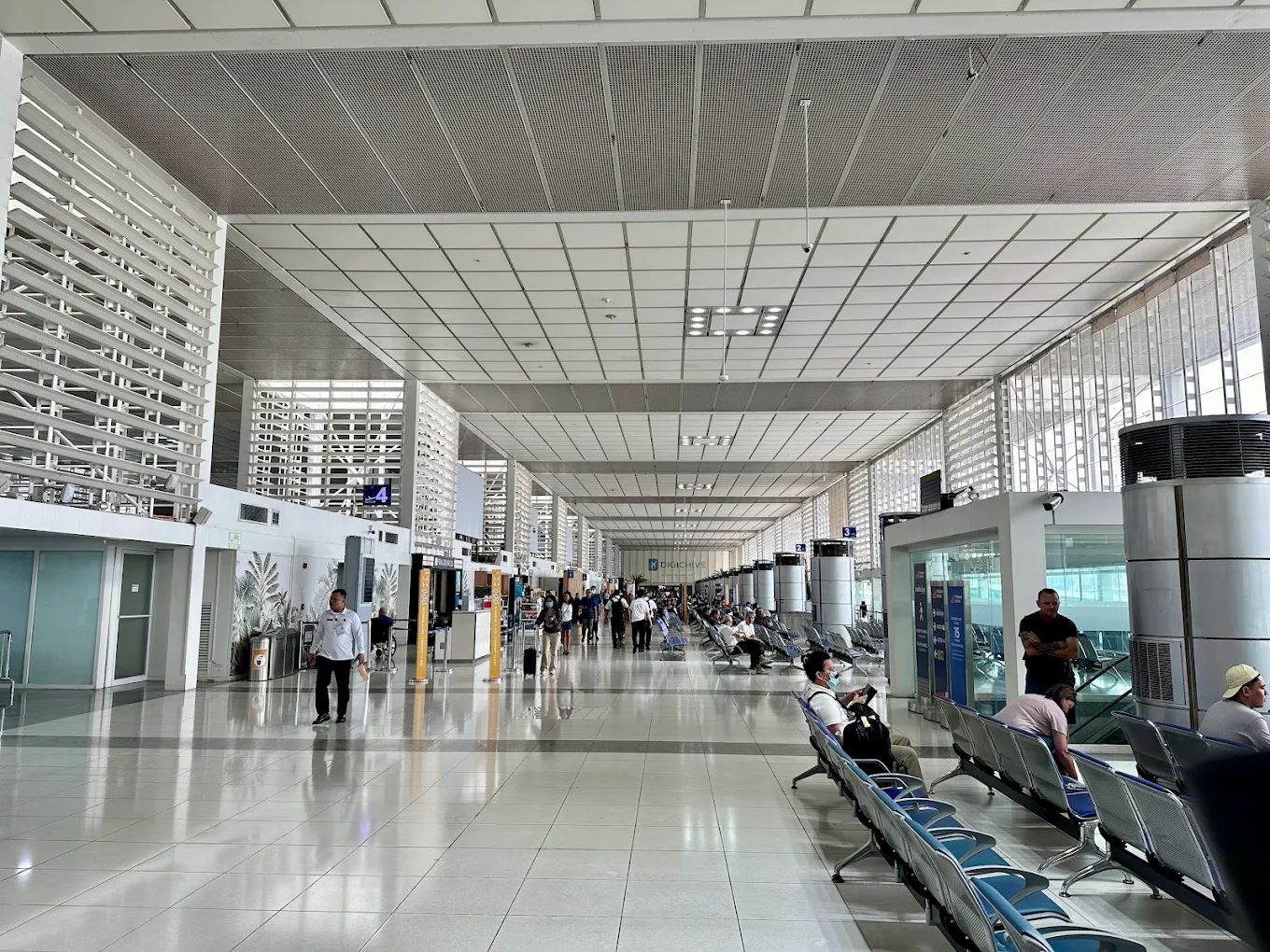
Visible upgrades and enhancements have transformed the Ninoy Aquino International Airport (NAIA) one year after the New NAIA Infra Corp. (NNIC), a private consortium led by San Miguel Corp., assumed management of the country’s main international gateway.
The improvements range from faster immigration processing to expanded passenger amenities and safety enhancements, drawing praise from airlines and marking tangible progress in the long-delayed modernization of the chronically overcrowded facility.
The Air Carriers Association of the Philippines (ACAP) welcomed the changes, highlighting gains in efficiency and safety.
“Our airlines welcome the improvements at NAIA, from the installation of more immigrations e-gates to the provision of new transit facilities, OFW lounges, and runway and taxiway upgrades that help to increase aircraft movements and improve safety and efficiency,” ACAP Executive Director Jose Enrique Perez de Tagle told the Philippine News Agency.
He added that ACAP members look forward to continued close consultation and partnership with NNIC and relevant government agencies in the aviation sector.
A major highlight came this month when President Ferdinand R. Marcos Jr. witnessed the phased rollout of additional Immigration electronic gates (e-gates) at NAIA. While e-gates have been in use since 2018, NNIC’s deployment of 78 new units — already partially operational in Terminals 1 and 3 — is expected to significantly reduce congestion by allowing passengers to clear immigration in about 20 seconds.
Passenger comfort has also improved with upgraded facilities for overseas Filipino workers (OFWs). NNIC expanded the OFW Lounge at Terminal 1, providing a larger space open 24/7 with complimentary food and drinks, resting areas, charging stations and secure baggage storage. An OFW Lounge at Terminal 3, funded by NNIC and opened in July 2024, remains free for all OFWs regardless of ticket class.
Other noticeable enhancements include two new food halls at Terminal 3, one a 6,200-square-meter all-Filipino dining space featuring 17 homegrown brands showcasing regional flavors. A new 200-square-meter Dignitaries Lounge at Terminal 3, accommodating up to 61 guests, aims to offer a more hospitable venue for official engagements.
Infrastructure and operational upgrades have continued as well. NNIC procured advanced X-ray units, additional passenger carts and chairs, and more coasters for inter-terminal transport. Unused areas in Terminals 1 to 3 were converted into bus gates to ease congestion, while scheduled power maintenance works aim to bolster reliability.
Safety measures received renewed focus after a vehicle crashed outside Terminal 1’s departure area in May 2025. NNIC conducted a comprehensive audit of security bollards and redesigned the departure drop-off areas at Terminals 1 and 2, shifting from a diagonal to a safer parallel unloading configuration.
“While safeguards were already in place, we recognize that there is always room to improve. We are taking concrete steps to help ensure incidents like this do not happen again,” NNIC said in a statement following the incident.
Longer-term projects are also underway. Demolition of the long-abandoned Philippine Village Hotel began this year to make way for the construction of Terminal 5, which is projected to add capacity for 35 million passengers annually. Plans also call for a new Terminal 4 between Terminals 1 and 2 to serve domestic airlines.
“This shows how this partnership with the government is delivering improvements that the public can actually see and feel. As we enter the new year, we look forward to continuing this work and building on what is already in place,” NNIC president Ramon Ang said in a previous statement.
The private management of NAIA, which officially began in September 2024, has been credited with delivering quicker results than anticipated, amid the airport’s persistent challenges from handling far more passengers than its original design capacity.