


MANILA, Philippines — The Philippine government on Friday welcomed home 31 overseas Filipino workers (OFWs) repatriated from the Middle East, offering a comprehensive aid package to support their return amid escalating regional conflicts. The group, including a pregnant woman, a cancer patient, and an elderly individual with health issues, arrived in Manila after a perilous journey marked by missile attacks and airspace closures.
The repatriation effort, directed by President Ferdinand Marcos Jr., involved a coordinated response from multiple government agencies, including the Department of Migrant Workers (DMW), Overseas Workers Welfare Administration (OWWA), Department of Foreign Affairs (DFA), Department of Health (DOH), Department of Social Welfare and Development (DSWD), and Technical Education and Skills Development Authority (TESDA).

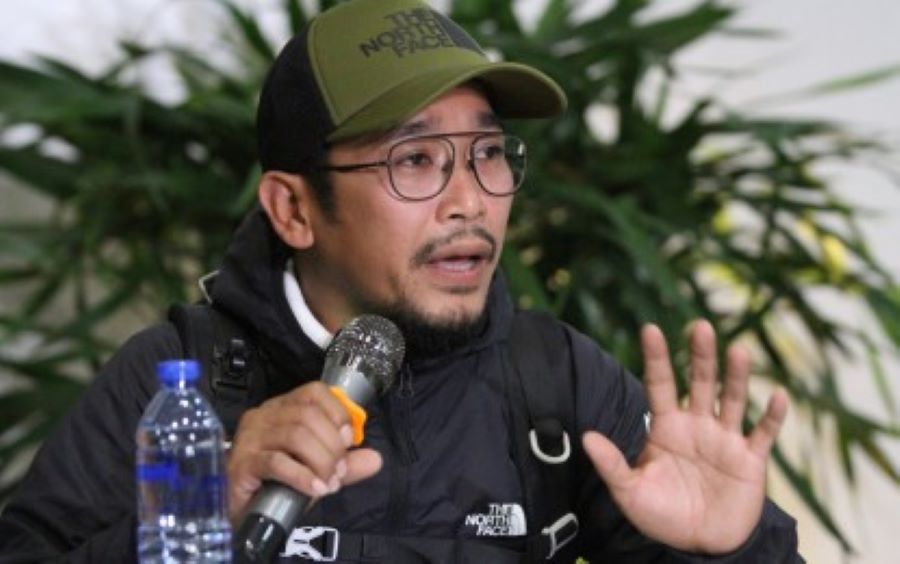
Among the returnees was Arman Naz, a hotel worker from Tel Aviv, Israel, who fled after enduring days of Iranian missile attacks. “It was traumatic,” Naz said, recalling the terror of rushing to shelters as sirens blared and bombs fell. “I wasn’t sure about my safety there, so I requested repatriation.”
Migrant Workers Secretary Hans Leo Cacdac, who led the mission, met the group at the Israel-Jordan border, ensuring their safe passage to Jordan before their flight home. The journey faced a setback in Doha, Qatar, where a sudden airspace closure caused a nine-hour delay, forcing the group to deplane and wait at Hamad International Airport. Philippine Embassy officials in Qatar provided critical support during the ordeal, enabling the group’s eventual safe arrival in Manila.
Comprehensive Support for Returning Workers
Upon arrival, each repatriate received 150,000 pesos (approximately $2,500) from the DMW’s Aksyon Fund and OWWA’s Emergency Response Fund, along with an additional 10,000 pesos from the DSWD. The DOH provided medical assessments, free treatment, and psychosocial support, particularly for trauma survivors. Health Secretary Teodoro Herbosa emphasized the government’s commitment, noting that a team from the National Center for Mental Health was on hand to address post-traumatic stress. “We don’t give out money like OWWA or DSWD, but I’ve made our services free,” Herbosa said.
The DOH is also offering telemedicine-based psychosocial support for Filipinos remaining in Tel Aviv. TESDA provided skills training vouchers to aid re-employment or livelihood opportunities, ensuring a pathway for reintegration.
Rising Repatriation Demands Amid Ongoing Conflict
OWWA Administrator Patricia Yvonne Caunan reported that 311 OFWs in Israel have expressed intent to return home, with a second batch of 50 scheduled to arrive on June 26 or 27. Government shelters in Israel are housing over 50 displaced OFWs, and hotlines remain operational. On Tuesday, an OFW was rescued unharmed from a bomb shelter in Beersheba, Israel, following a heavy attack.
Cacdac is set to travel to Bahrain on Wednesday to assess the situation of OFWs there and discuss contingency measures with local authorities. The government’s “whole-of-government” approach underscores its commitment to its “modern-day heroes,” as Herbosa described the OFWs, echoing President Marcos’ directive to bring services closer to those in need.
Naz, reflecting on his experience, expressed reluctance to return to Israel but hopes to work abroad again in a safer destination. For now, he and his fellow repatriates are focused on rebuilding their lives with the support of a government determined to stand by its overseas workers.