







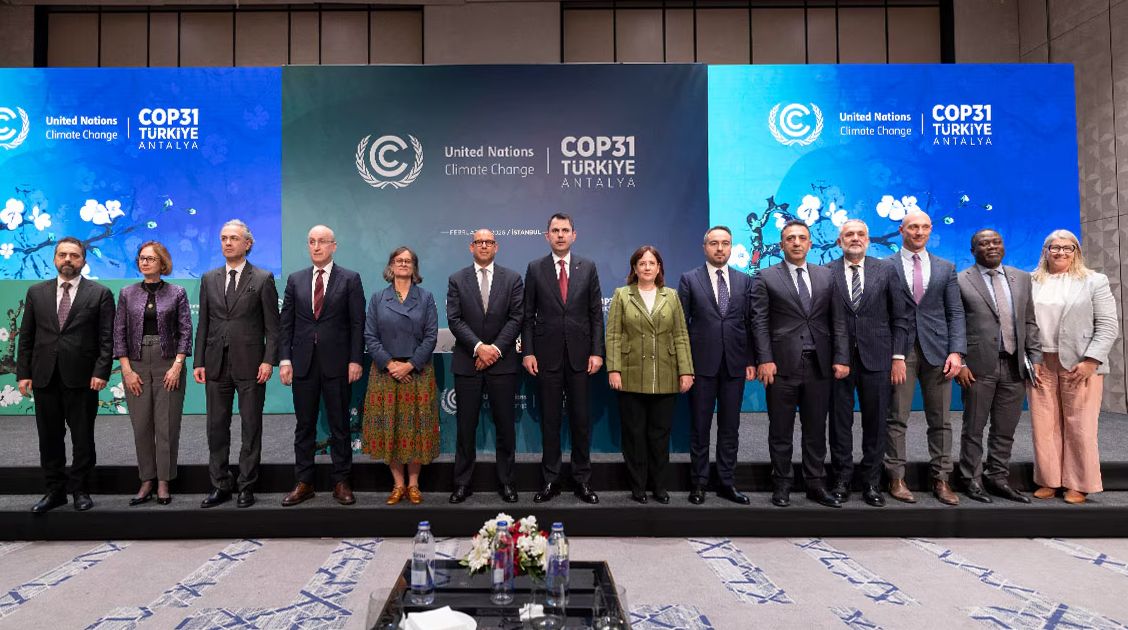
ANTALYA, Türkiye — After more than two weeks of negotiations and two days of overtime, the world’s longest-running UN climate summit ended on 22 November without an overarching political agreement, exposing divisions over fossil fuels and financial support for vulnerable countries.
The collapse at COP31 was not the failure of every negotiation at the conference. But the absence of a central political pact was a blow to efforts to coordinate a stronger global response to climate change.
At the heart of the dispute was what the final text did — and did not — say about fossil fuels. An early draft included references to them, but those words disappeared from the final proposal after opposition from oil-producing countries. The text referred indirectly to an earlier agreement reached at COP28 in Dubai, where countries pledged to transition away from fossil fuels in energy systems.
For the European Union and several climate-vulnerable nations, that was not enough. The EU formally objected, calling the omission of fossil fuels “unconscionable.” Panama and the Marshall Islands also rejected a text they argued fell short of the urgency of the crisis, according to UN News.
Oil-producing nations, meanwhile, resisted language they saw as threatening their economic interests. Saudi Arabia defended the role of carbon capture and storage, arguing that governments should keep multiple climate solutions on the table.
Money was another obstacle. Developing countries sought greater clarity on support to help them adapt to climate impacts, from worsening droughts to rising seas. Governments had previously pledged to triple adaptation finance, but the COP31 draft did not settle the baseline against which that increase would be measured, leaving concerns about how much additional funding would materialise, the BBC reported.
The summit’s consensus-based process left little room to bridge those competing positions. Türkiye, the host country, and Australia, which led negotiations, circulated compromise drafts, but could not produce a package acceptable to all sides.
There was progress elsewhere: countries advanced a framework intended to support workers and communities through the transition to cleaner energy. Still, the failure of the overarching pact leaves governments facing unresolved questions about emissions, finance and fairness.
“The world cannot afford a repeat of this moment,” UN climate chief Simon Stiell told delegates. The next test will be whether countries can turn that warning into cooperation before the divisions exposed in Antalya deepen further.